

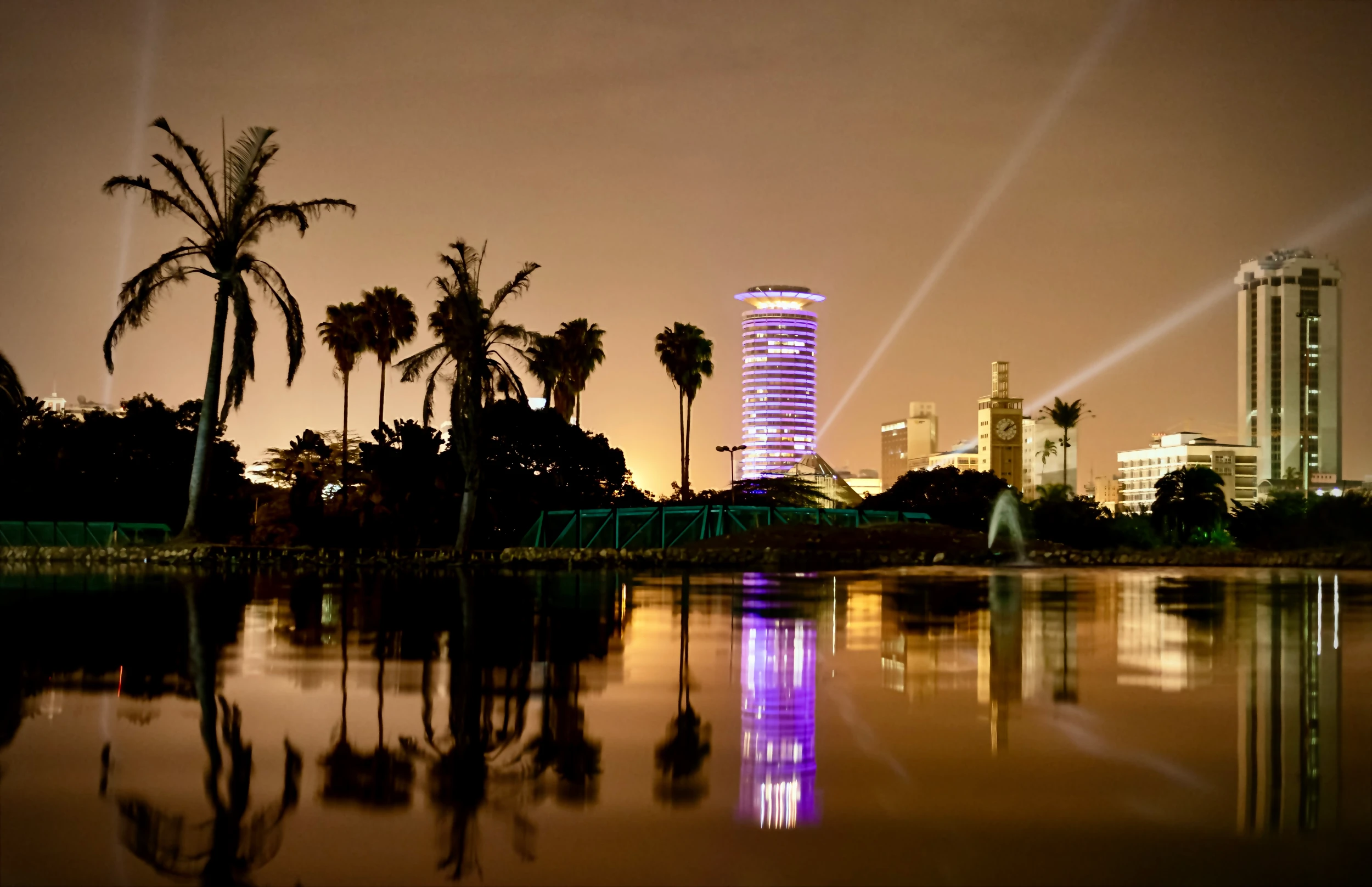
Kenya’s MICE opportunity: Building a nationwide conference economy
A conference is an export industry wearing a name badge.
One delegate can fill an airline seat, a hotel room, a restaurant table and a taxi. A few thousand delegates can keep venues, caterers, audiovisual companies, event organisers, entertainers and dozens of smaller suppliers busy for days. Convince some of them to add a weekend at the coast, a safari or a few extra nights in the city, and the conference begins feeding the leisure economy too.
Delegates also arrive to negotiate deals, launch products, meet partners and make investment decisions. Business events therefore influence trade, investment and how a destination positions itself in regional markets.
This is what makes meetings, incentives, conferences and exhibitions such a powerful opportunity for Kenya. MICE can generate demand throughout the year, attract higher-spending visitors and spread tourism revenue across a wide business ecosystem.
The next stage will require serious investment. Some of it will be measured in billions of dollars. Much of it will go into hotels, resorts, venues, event technology, transport, training, destination experiences and the businesses that make a major event work.
Kenya has more of the pieces in place than ever before.
Nairobi is growing into a much bigger role
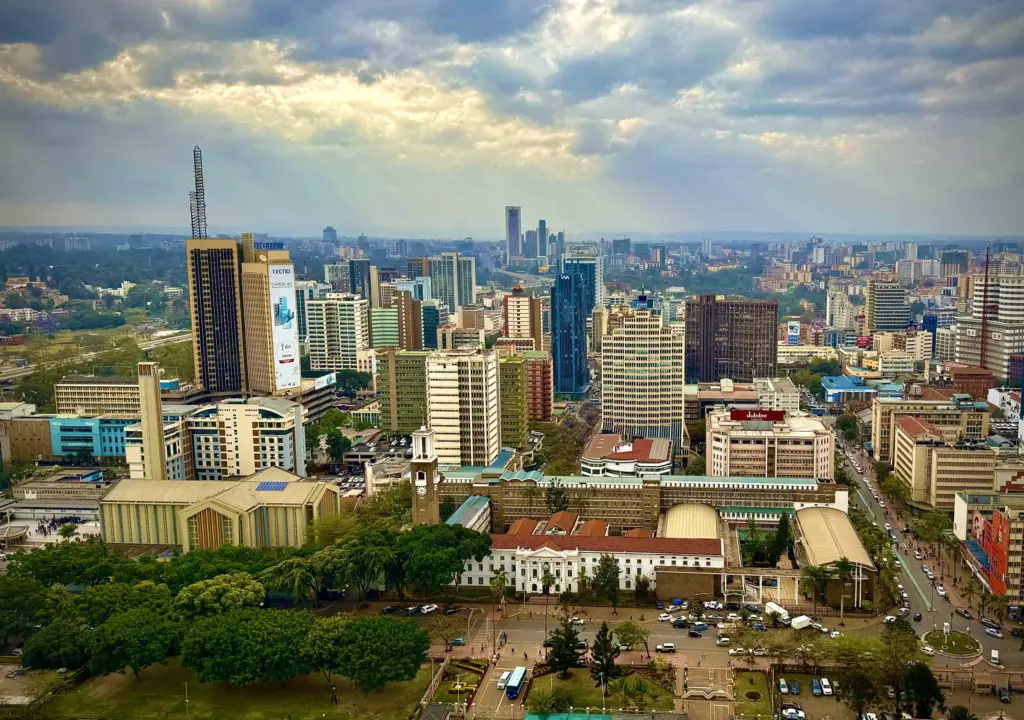
When I arrived in Nairobi in 2002, KICC was the city’s undisputed conference landmark. It remains an icon. The city around it has changed beyond recognition.
Nairobi has grown into East Africa’s centre of gravity for business, diplomacy, aviation, technology and international organisations. UNEP and UN-Habitat have their global headquarters here. Embassies, development institutions, NGOs and multinational companies create a deep base of year-round business travel and meetings demand. Google, Microsoft, Visa and many other global companies also run significant regional operations from the city.
That base is becoming stronger. UNFPA has moved major programme, technical and evaluation functions to Nairobi. UNICEF says Nairobi will become its largest combined staff location, while also hosting one of its four global Centres of Excellence.
These institutions generate board meetings, training programmes, policy forums, product launches, diplomatic gatherings and regional conferences. They also bring investors, consultants, suppliers and partners from across Africa and the world. For hotel and venue investors, that depth of demand matters.
The physical infrastructure is moving to another level too.
The Bomas International Convention Centre is under development with a main auditorium, breakout rooms, exhibition and banquet space, advanced audiovisual facilities and high-level protocol infrastructure.
The United Nations is investing USD 340 million in expanding its Nairobi complex. A new assembly hall and additional meeting facilities will raise its conference capacity from around 2,000 to 9,000 participants by 2030.
The planned multi-purpose arena and entertainment district at Nairobi Railway City will bring sports, entertainment, culture and major international events into the same wider urban development.
KICC, BICC, the UN complex, Sarit Expo Centre, Railway City and Nairobi’s hotel venues are giving the city a much broader MICE portfolio. That creates openings for further investment in accommodation, serviced residences, restaurants, event production, logistics, entertainment and visitor experiences around them.
Aviation and hotels are following the demand
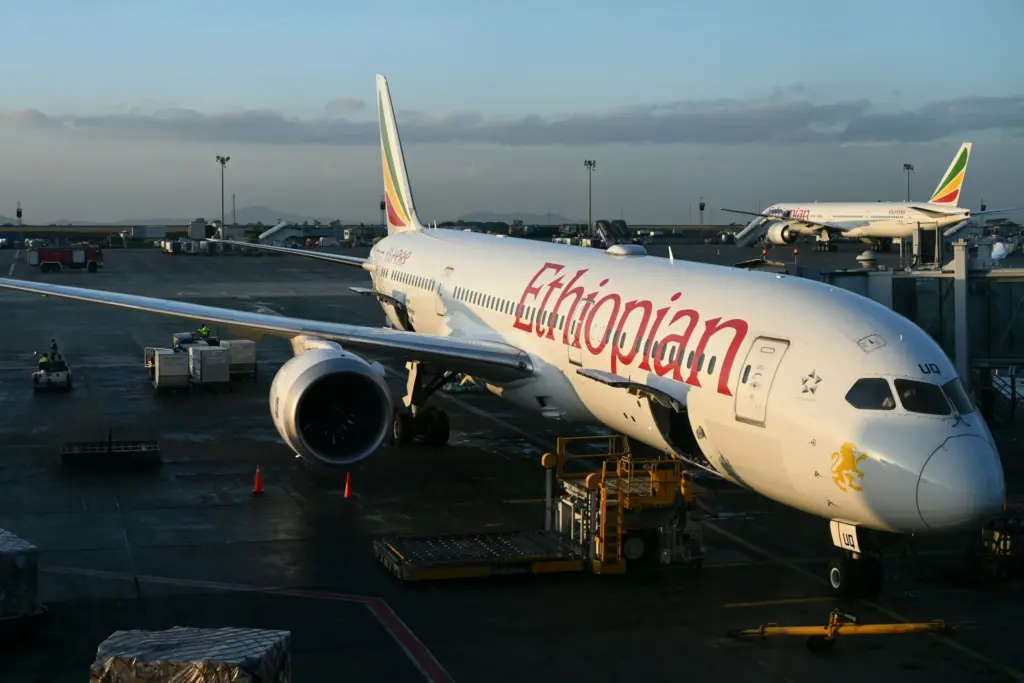
Anyone who travels through JKIA regularly knows the airport expansion is overdue.
Kenya has signed a USD 1.2 billion agreement to expand JKIA. The project includes a new terminal and extensive upgrades intended to raise annual passenger capacity from 7.5 million to 22 million.
Air access is one of the first tests for any international conference destination. A larger and more efficient JKIA strengthens the case for Nairobi as a regional hub and improves the investment logic for hotels along the airport corridor and across the city.
The private hospitality sector is already responding. Nairobi has several major conference hotels spread across Westlands, Gigiri, Upper Hill, the airport corridor, Thika Road and the wider city. JW Marriott can host 800 delegates in its largest event room. Mövenpick can accommodate up to 900 in theatre style. Safari Park remains one of the city’s best-known large event hotels, while Argyle Grand Hotel has added substantial conference capacity close to JKIA.
More will come. Kenya’s 2026 branded hotel pipeline stands at 6,190 rooms across 35 projects. The country recorded 17 new hotel deals in 2025, the highest number in Africa outside Egypt and Morocco.
I spend much of my working life around hotels, developers, operators and investors. The increased international appetite for Nairobi is visible. JW Marriott has raised the luxury benchmark in Westlands. Through my advisory work on Silva Gigiri, I have also seen how strongly the combination of diplomacy, MICE, branded residences, dining and wellness can support a hospitality investment in the right location.
Gulf Hotels Group‘s planned entry as Silva’s operator is another vote of confidence in Nairobi’s long-term demand. MICE forms part of a wider market that also includes corporate travel, diplomacy, aviation, leisure and a growing local upscale segment. Those overlapping demand layers make the city more resilient and more investable.
The case for a Nairobi expo city
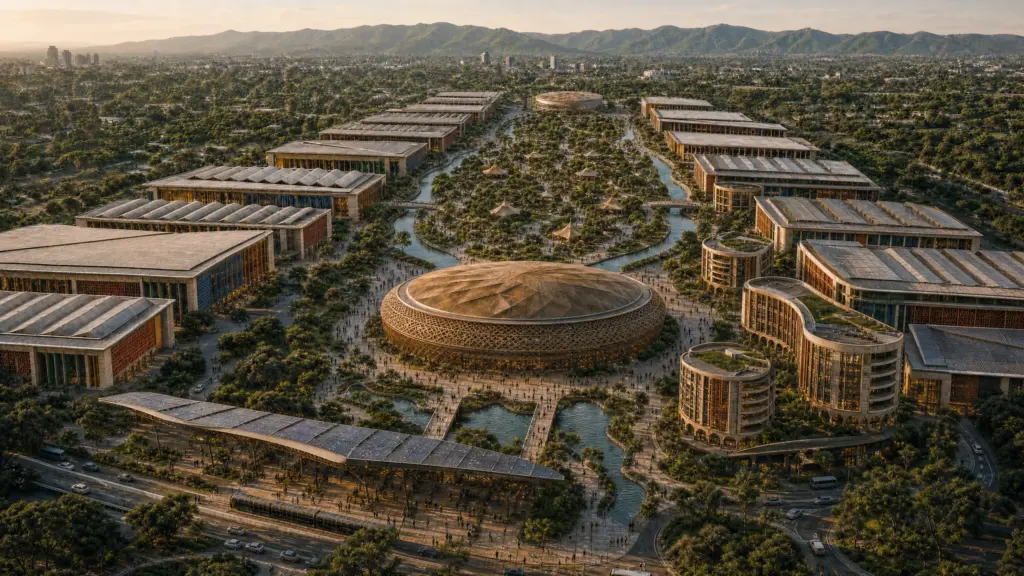
Over the next ten years, Nairobi will almost certainly add further conference venues, arenas and larger conference hotels. The city should also begin planning for a genuine international expo district capable of attracting major trade exhibitions.
For perspective, the Hannover fairground has almost 400,000 square metres of indoor exhibition space. A development at that scale in Nairobi would amount to billions of dollars.
That is a huge investment. Kenya already treats infrastructure on this scale as a strategic national priority, from the Standard Gauge Railway and the upgrading of key sections of the A8 corridor linking Mombasa with the Ugandan border to the new terminal and planned second runway at JKIA. These investments increase national capacity, improve competitiveness and support economic growth far beyond their immediate footprint.
BICC belongs in the same strategic category, and so would a genuine international expo city. An expo city’s value would extend far beyond the exhibition halls through the businesses, jobs, trade, transport links, hospitality demand and urban development created around it.
Venues give us capacity. The ecosystem creates the return.
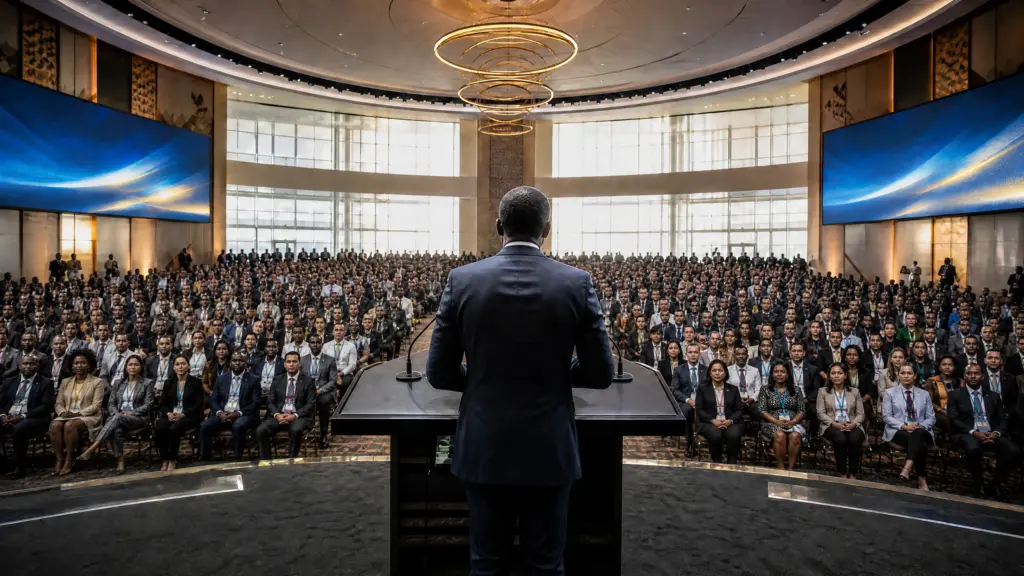
Major international events are often won years before the first delegate arrives. BICC’s international sales cycle therefore needs to begin well before its doors open. The same applies to every major venue and conference hotel under development.
Kenya has already shown that it can deliver. Nairobi has hosted the Africa Forward Summit, the Africa Climate Summit and the African Development Bank Annual Meetings. Mombasa hosted the Our Ocean Conference. Kisumu hosted Africities.
The commercial opportunity lies in maintaining a strong forward calendar, converting one-off wins into recurring events and developing more Kenyan events with the potential to grow into international fixtures.
That requires a strong convention bureau function, focused international bidding, reliable destination data and close coordination between government, venues, hotels, airlines, organisers and tourism authorities. Investors are more likely to finance new capacity when future demand is visible, the destination is actively sold and major bookings can be secured well ahead of opening.
The wider ecosystem is equally important. A major conference asks dozens of independent businesses to perform as one destination. Organisers, destination management companies, audiovisual suppliers, transport providers, caterers, security teams, entertainers, technology companies and hotels all shape the final experience.
Talent is part of MICE infrastructure. A modern venue will underperform without people who can sell it internationally, prepare competitive bids, manage complex productions, deliver strong service and build the next event pipeline.
Professional standards should cover the whole chain, including organisers, DMCs, audiovisual providers, transport, safety, sustainability and data management. Training institutions need to work closely with industry, while continuous professional development can help current teams improve much faster.
Technology creates another field for investment. Kenya needs better tools for destination discovery, bid management, supplier sourcing, group accommodation, registration, payments, transport, event operations and post-event conversion. Smaller suppliers should become digitally visible, credible and bookable.
The commercial discipline matters. A platform without agreed data standards, integrations and someone responsible for adoption is only software. The real test is whether customers adopt it, pay for it and keep using it.
Data also shapes investment decisions. If we can’t say where delegates stayed, what they spent, how long they remained or which suppliers performed, we are managing anecdotes instead of an industry. Better data can guide route planning, hotel development, venue expansion, destination marketing and investment into the gaps that repeatedly cost Kenya business.
Many of these opportunities require much smaller cheques than an airport, convention centre or hotel. Some can also scale across African markets much faster. Event technology, supplier platforms, professional training, audiovisual production, destination management and delegate services deserve a place in the MICE investment conversation.
MICE is not Meetings In Capital Exclusively
Nairobi will lead Kenya’s growth as a conference destination. The opportunity extends far beyond the capital.
Mombasa can combine scale with the coast
The Tembo International Convention Centre in Shanzu gives Mombasa more than 9,000 square metres of event space and capacity for over 6,000 delegates. Its beachfront setting brings the conference venue, accommodation and coastal experience into one proposition.
Tembo is also an important investment signal. A Kenyan hospitality group has built a large facility capable of changing how the coast competes for conferences, exhibitions, concerts and incentive travel.
When the Africa MICE Summit meets at Tembo on 1–2 October, the location itself will make the point. Mombasa can host the industry conversation and deliver a wider destination experience at the same time.
The city can offer delegates the ocean, beaches, Swahili culture, historic sites, food, nightlife and resort hospitality around the event programme. That opens opportunities in hotels, ground transport, destination management, heritage experiences, restaurants, marine activities and pre- and post-conference travel.
The commercial work must match the venue investment. Mombasa needs a consistent events pipeline, clear international positioning, stronger air access, better destination packaging and seamless coordination across the coast.
Naivasha and Nakuru can grow as one MICE corridor
Naivasha has already developed a strong meetings and retreats market through its accessibility from Nairobi, lakeside setting and large collection of resorts. It works particularly well for corporate meetings, executive retreats and mid-sized conferences. Continued hotel and venue investment can take it further.
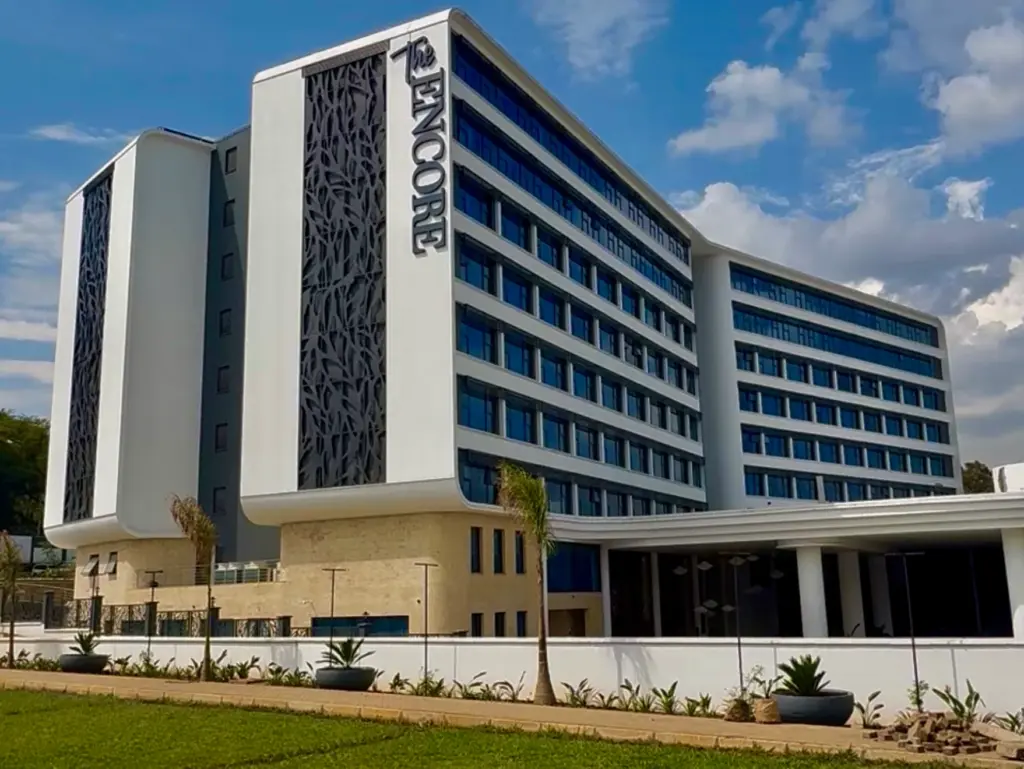
Nakuru is the newcomer. Sarova Woodlands has strengthened the city’s hotel and conference base since opening in 2017, and Encore adds a new dimension. The market is still emerging, with room for well-positioned investment.
The expansion of the A8 from Rironi to Mau Summit should change the geography. It could bring Nakuru within roughly 1.5 hours of Nairobi and tighten the link with Naivasha. Planners can then package Naivasha and Nakuru as one broader MICE ecosystem with complementary venues, accommodation and experiences.
The combined destination has a strong collection of experiences: Lakes Naivasha, Nakuru and Elementaita, Hell’s Gate, Menengai Crater, Mount Longonot, wildlife, adventure and a growing range of hotels and resorts.
Buyers first need confidence that a destination can deliver the event. Once the shortlist is down to places that can, the destination experience can become the tie-breaker.
For Nakuru and Naivasha, the investment opportunity lies in raising accommodation and venue standards, building stronger transport and destination-management services, and packaging the complete experience in a form that international organisers can understand and buy.
Kisumu should build on the lake
Kisumu is one of Kenya’s most exciting under-tapped MICE investment opportunities.
The city already has an international airport, improved roads, modern malls, a growing hospitality sector and several mid-sized conference venues away from the lakefront. The Kisumu International Convention Centre was due to open ahead of the 2022 Africities Summit. It now appears to have stalled at 85% completion.
The lakefront opportunity includes resorts, restaurants, waterfront public spaces, cruises, events and entertainment. Conference demand can strengthen weekday and year-round performance, while leisure demand supports weekends and holiday periods. That combination can produce stronger hotel economics.
Other Kenyan destinations can develop their own positions around specialist meetings, smaller congresses, executive retreats and incentive programmes. Kenya has mountains, lakes, forests, wildlife, beaches, heritage and distinctive cities. Each destination can build around the assets it genuinely owns.
Kenya’s MICE investment opportunity is only beginning
Kenya’s MICE opportunity stretches from a USD 1.2 billion airport expansion and major convention centres to event-tech companies, training platforms, transport operators and local experience providers.
The strongest investment cases sit where demand is visible, management is credible and gaps in the ecosystem are clear. Venues depend on event pipelines. Hotels depend on location, positioning and operations. Technology companies depend on paying customers and repeat use. Destinations depend on clear propositions and consistent delivery.
Kenya’s MICE market will be built over the next decade through recurring events, a broader international portfolio, stronger suppliers, better data, deeper professional talent and more competitive destinations beyond Nairobi.
After almost 25 years in Nairobi, I have watched the city grow into roles that would once have seemed almost laughably ambitious. Its rise as a global conference city is already underway. Mombasa now has a venue that can change the coast’s position. Naivasha and Nakuru can form a powerful Rift Valley corridor. Kisumu can turn its lakefront into a memorable conference and leisure proposition.
Kenya already knows how to host. The next decade is about building the assets, businesses and pipelines that allow the country to host more often, in more places and retain much more of the value.
The conference badge gets the visitor through the door. The investment opportunity is everything Kenya builds around it.