


Africa Forward Summit and the post-aid era
The Africa Forward Summit in Nairobi was an unambiguous example of how Africa-Europe relations have moved firmly into the post-aid era. “Trade, not aid” has been around as a slogan for decades. In Nairobi, it became the actual agenda: trade, investment, infrastructure, financing, and partnership.
Co-hosted by Kenya and France on 11–12 May 2026, the summit brought African heads of state, French companies, African businesses, financial institutions, innovators, and cultural leaders together to discuss investment, trade, technology, infrastructure, financing, and partnership. Not aid. Not charity. Not another donor-recipient arrangement with a fresher logo. The official summit theme was “Africa-France Partnerships for Innovation and Growth,” and the programme covered business, finance, energy, agriculture, AI, the blue economy, health, and industrialisation.
The location was part of the message. France has traditionally built its African policy around French-speaking countries, especially its former colonies. Holding Africa Forward in Nairobi moved the conversation beyond that old map. For the first time, the Africa Forward Summit was held in an English-speaking country.
Kenya’s turn to shine
With around 30 heads of state participating, the continent’s eyes were on Nairobi. The summit was supposed to be held at the new Bomas International Convention Centre. Alas, that one was still a rising concrete structure with a timeline that may have been a tad too ambitious. Nevertheless, it was still Kenya’s turn to shine. Nairobi hosted one of the most important Africa-Europe business and investment gatherings of the year, just not in the showcase venue that will eventually be one of the largest convention centres on the continent.
Launched in 1973, it was first known as the France-Africa Summit, until it was renamed the Africa-France Summit in 2021 in Macron’s first term. At least some modesty there. This year, the new focus became even clearer, as it became the Africa Forward Summit.
France expanding its horizons
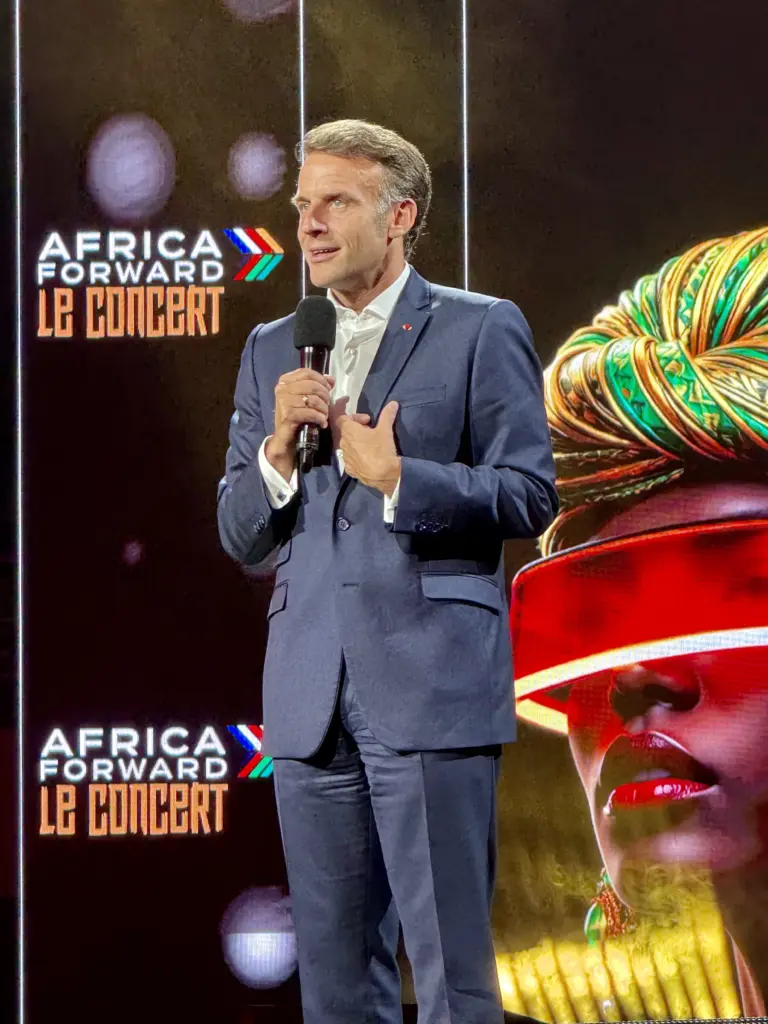
Macron mostly speaking English, with French interpretation following him, would have been almost unthinkable under any of his predecessors. France has long treated language as part of its influence in Africa. In Nairobi, the format was different, and it reflected the reality of 2026: France wants trade and partnerships across the continent, and cannot stay locked inside the old Francophone map.
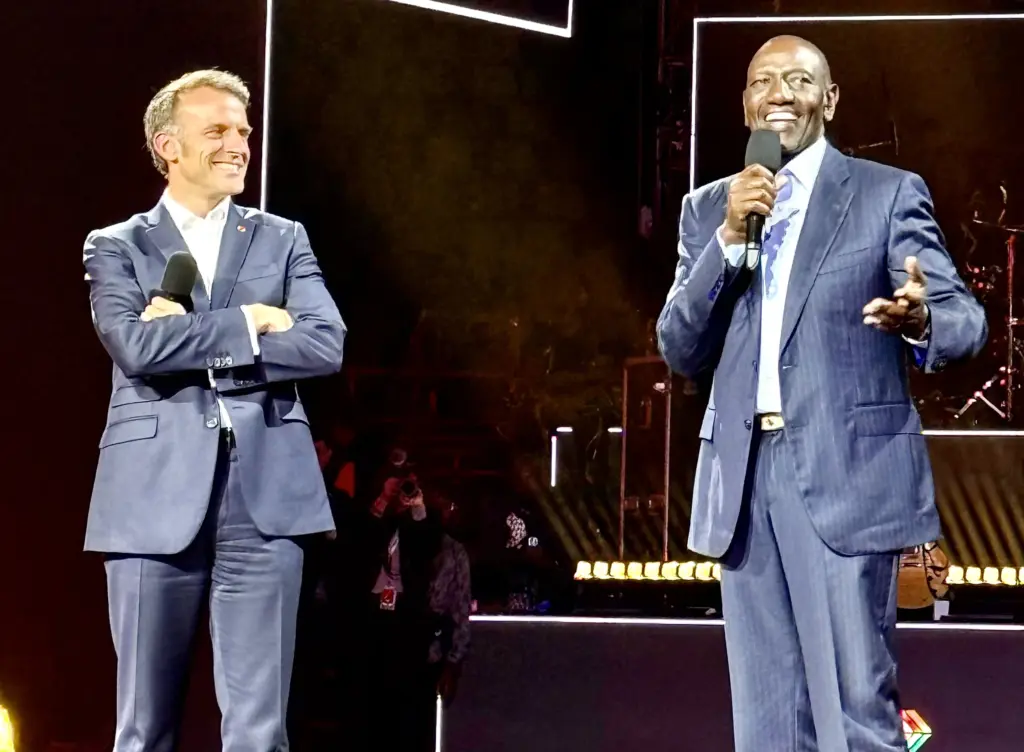
My guess is that the shift is driven partly by vision, partly by necessity. As The Guardian pointed out, France is actively looking to rebuild its role on the continent after setbacks in former colonies. At the same time, Kenya’s president, William Ruto, is seeking to position Kenya as a reliable international partner and a convening hub, so the convergence of interests was clear.
Still highly controversial in some of the countries it used to occupy, France does have its share of past atrocities to come to terms with. There is nothing proud about the country’s colonial past or the oppression, land grabbing, and disenfranchisement that came with it. This is a dark chapter in the history of several European nations. It ended long before I was born, but it is not something to be forgotten or wished away.
At the same time, France can be a tremendous trade and investment partner. Its nominal GDP is roughly in the same range as the combined GDP of the African continent. France has capital, corporate capacity, technology, market access, and strategic relevance. The point is not to pretend the past did not happen. The point is to build a future relationship that is not trapped inside it.
Mutual partnerships
Investment deals worth €23 billion were announced during the Africa Forward Summit. Beyond the amount, the split was just as important: €14 billion from French companies and €9 billion from African ones. The classic post-colonial investment model was usually international companies bringing a full package of capital, know-how, and management. Foreign money. Foreign experts. Foreign senior people. Local participation added later, often because it had to be. That model is giving way to something far better and more sustainable: local and international partners co-investing, bringing knowledge from both sides, and sharing the risk and upside from the start.
The old model was knowledge transfer. The 21st century model has to be two-way exchange. African companies understand African markets, politics, consumers, distribution, informality, regulation, and local execution better than any imported team of advisors. International partners bring capital, technology, global networks, systems, and scale. Both sides need the other if the objective is durable growth.
The post-aid era
Aid had its era. Since the 1960s, European countries have spent vast sums on African development. The exact figure is challenging to pin down because it depends on what you include. The figure runs in multiples of trillions of euros in any case. To say that the results have been mixed would be generous.
Some aid worked. Health programmes saved lives. Education projects helped. Emergency relief had its place. Infrastructure was built. But the aid model also produced legendary failures. My own country, Norway, has been particularly active despite its small size. The Kalokol fish factory in Turkana still lingers as one of those textbook examples of donor logic colliding with local reality. Every Western European country carries similar baggage.
The even deeper problem was the relationship it created. Aid too often meant dependency, donor priorities, reporting cycles, imported assumptions, and expensive projects that looked better in proposals than on the ground. Trade and investment are better tools when they are structured properly. They force a level of discipline that aid too often avoided.
That is why institutions such as Norfund, Swedfund, Finnfund, FMO, BII, and Proparco are part of the better model when they do their job properly. They make commercial investments in enterprises and funds that can drive private-sector growth, usually with a clear sustainability mandate. They expect returns. They bring governance pressure. They back banks, funds, infrastructure, renewable energy, agriculture, financial inclusion, and companies that can scale.
With a 12% stake in Equity Group, Norfund’s Arise is the bank’s single largest shareholder. Equity is not an aid project. It is one of Africa’s strongest banking groups. Norfund, FMO, and AfricInvest have also backed I&M Group through East Africa Growth Holdings, which increased its shareholding in I&M Group to 15.14%. M-KOPA is another example: a home-grown African company, backed by BII, FMO, Norfund, and others, built around a real market need.
This is the model Africa needs more of: commercial capital, African companies, serious governance, growth, returns, and sustainability. Less aid. More business.
Finish with a bang
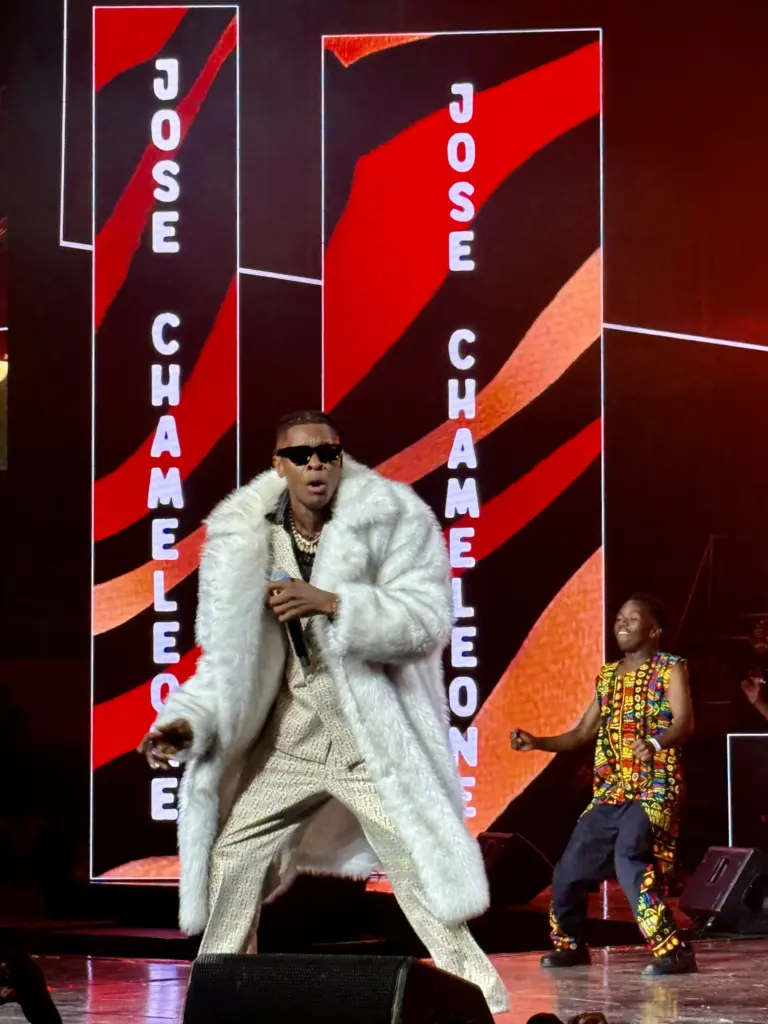
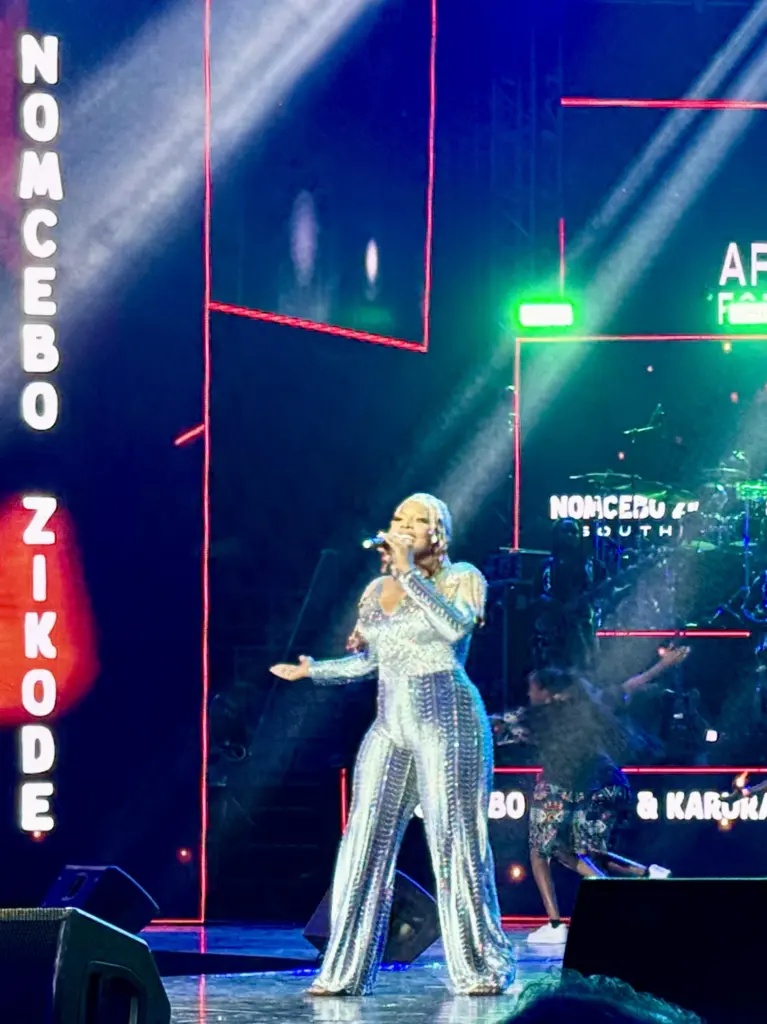
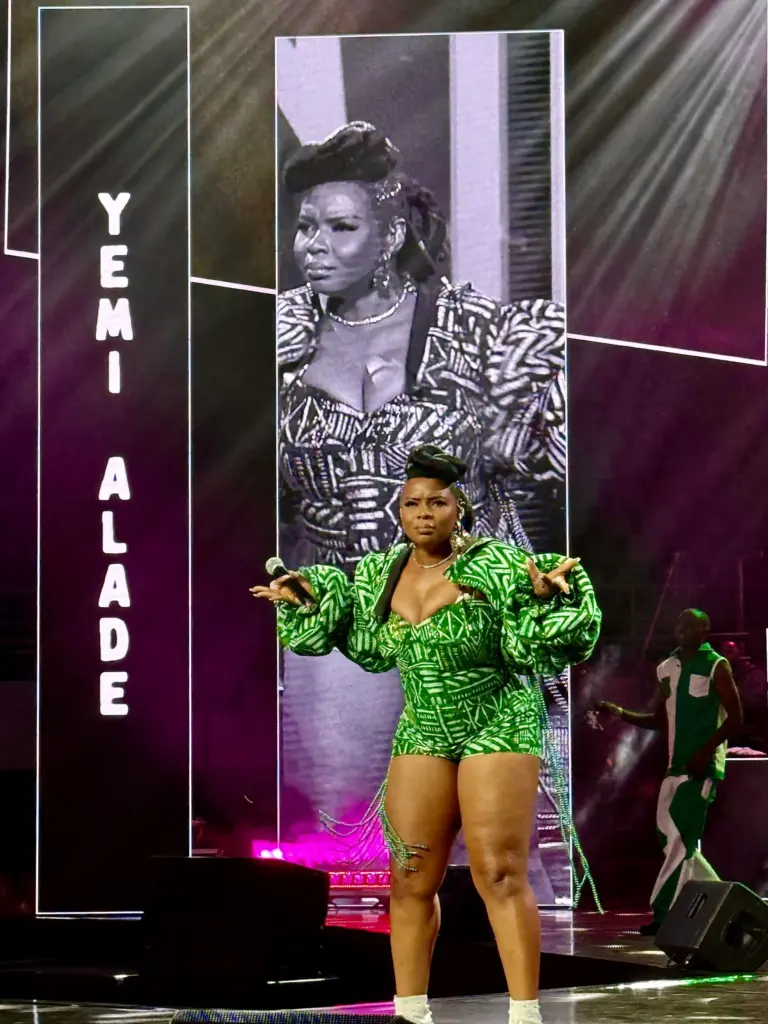
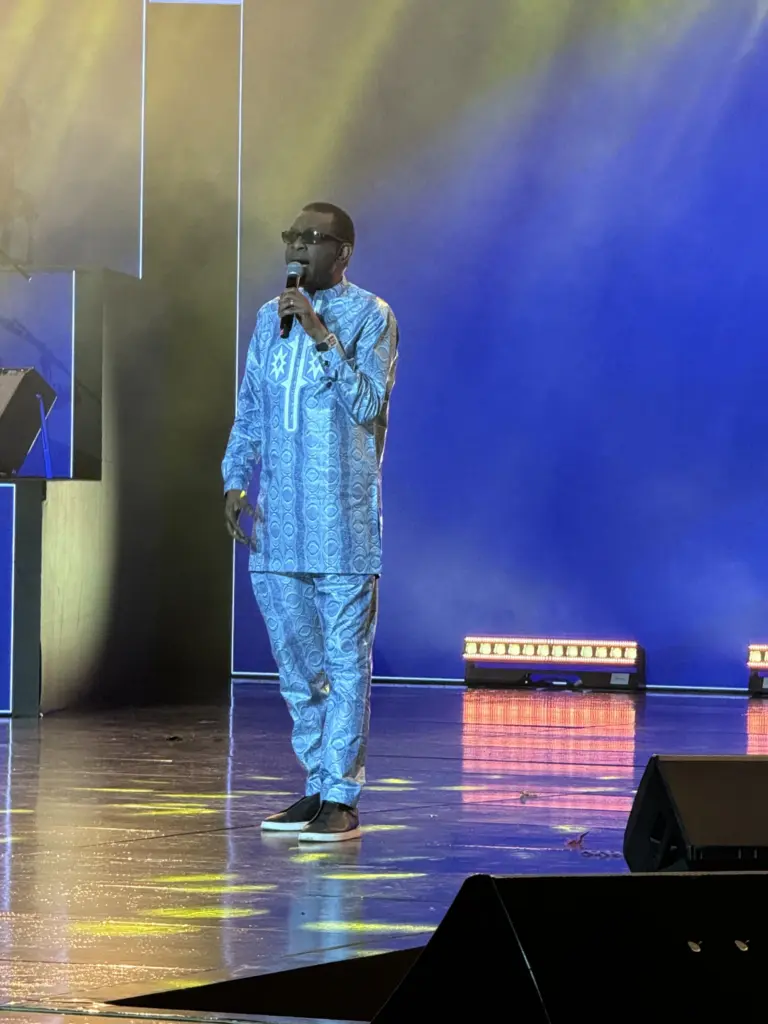
Most summits end with a quiet cocktail event. The Africa Forward Summit closed with Youssou N’Dour, Yemi Alade, Savara, Nomcebo Zikode of “Jerusalema” fame, Jose Chameleone, and a few more of the continent’s top artists at Kasarani Indoor Arena. Fally Ipupa was booked too, but could not make it. Nevertheless, in Ruto’s words: this was the grand finale.
The Africa Forward Summit was never meant to be modest or small-scale. The concert made the pan-African nature of the event impossible to miss, with business, diplomacy, and culture all part of the same programme.
Africa Forward is a sign of a new era in relations between Africa and Europe. But the relationship still needs to evolve until it normalises. Trade and investment between the continents should not forever be treated as “Africa-Europe relations.” It should simply become international business.
Africa Forward moves in that direction. The aid-first model is fading. The old France-Africa structure no longer fits. The next phase has to be built around trade, investment, co-ownership, commercial discipline, and people moving in both directions.
With the bold steps taken by France and President Emmanuel Macron to drive what has become the Africa Forward Summit, the logical next step should be to involve other European countries and make Africa Forward a major annual meeting where the two continents convene to discuss trade, investment, culture, mobility, and partnerships for the future. France has moved the format away from the old France-Africa structure. The next version should be bigger than France.
The mutual gains would be massive.