

Africa’s cultural tourism wealth is hiding in plain sight
From Axum and Adwa through the Swahili Coast and to Great Zimbabwe. From Luderitz and Swakopmund to St. Louis and Île de Gorée. From Benin City and Kano to Timbuktu and Djenné. Africa has the history to become one of the world’s great cultural tourism regions. It has barely begun to turn that history into tourism.
Safari is one of African tourism’s great success stories. To the point that many destinations have become prisoners of their own success.
For decades, wildlife and scenery have been the selling points for countries seeking to build. tourism industry. Visitors know the Serengeti, Victoria Falls and Zanzibar. Far fewer know Adwa, Great Zimbabwe or Mbanza Kongo.
Not because Africa lacks history or cultural heritage. But try visiting some the lesser-known historic sites, and you are in for a different experience. Most of that history has never been made easy to access.
In May 2026, UNESCO noted that Africa accounted for only about 12% of the properties on the World Heritage List. The Comoros, São Tomé and Príncipe and South Sudan received their first inscriptions two months later, but the continent remains badly underrepresented.
Some international recognition helps, but the typical visitor still needs simple and practical logistics, and ideally some kind of reassurance of relative comfort at the destination. Some reliable guides and tour operators can also be useful. And before all of that, even knowledge about the sites in the first place. Because much of the most fascinating heritage is barely known, let alone marketed.
Ethiopia belongs in the same tourism conversation as Egypt
Egypt has turned its history into a journey that people can picture before they book a flight. Ethiopia could offer a journey of comparable depth on its own terms.

Egypt received 15.7 million international tourists in 2024, while Ethiopia reported 1.26 million during the same year.
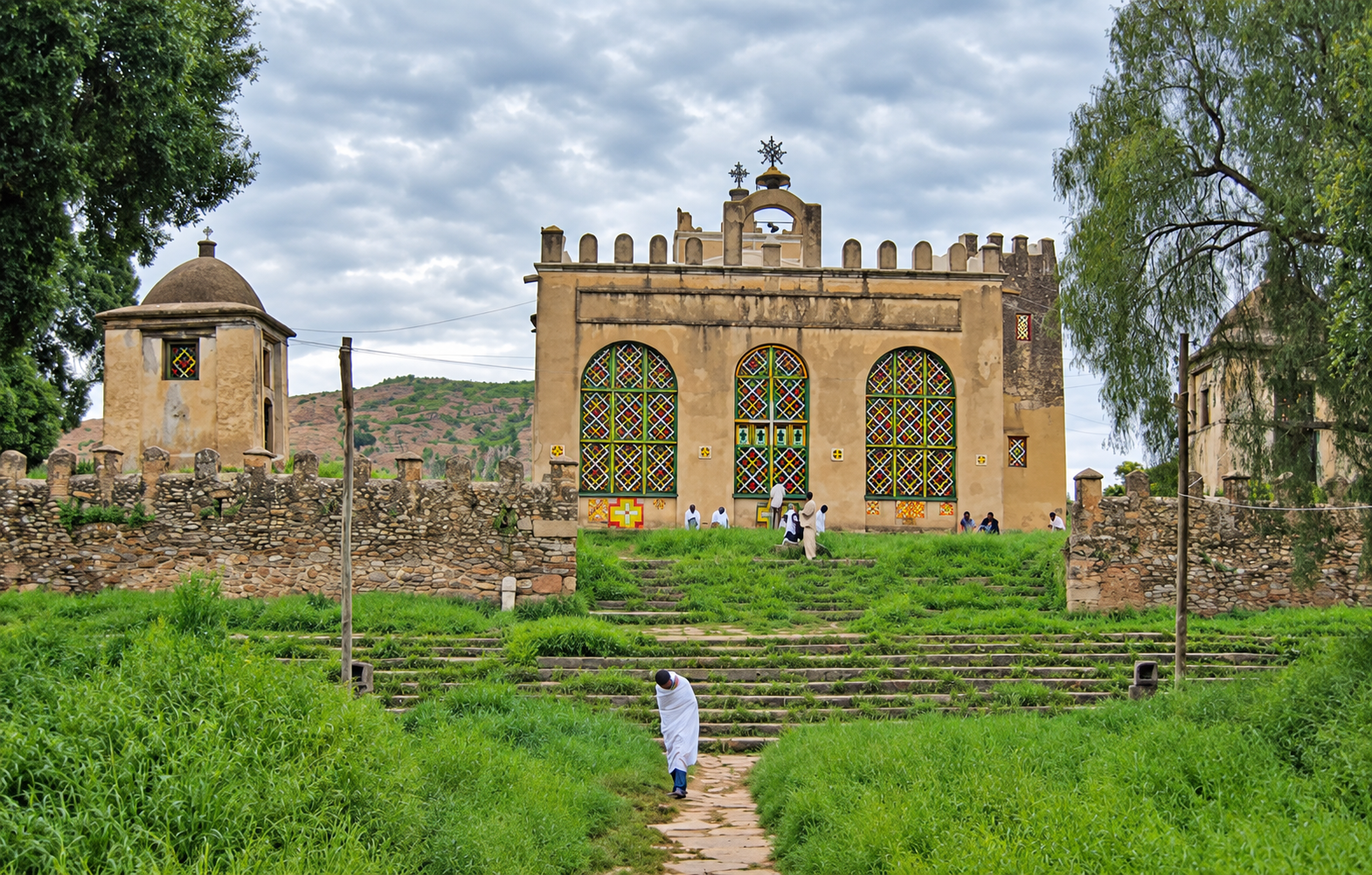
The country has 12 UNESCO World Heritage properties, ten of them cultural. Aksum was the capital of a major regional power with ties across the Red Sea and into the Mediterranean world. Its stelae and inscriptions record one of the great civilisations of late antiquity. Home to the biblical Queen of Sheba and to what is somewhat controversially claimed to be the original Ark of the Covenant, this quiet, remote town in the mountains is steeped in ancient history so rich that it rightfully belongs in the same continental narrative as ancient Egypt.
Lalibela’s rock-hewn churches remain an active centre of Orthodox worship. More than a thousand years old, Harar is one of Africa’s grand old Islamic cities. Its old town, Harar Jugol, is enclosed by defensive walls built between the 13th and 16th centuries, with narrow alleyways winding between traditional Harari houses and 82 mosques, three of which date from the 10th century. Negash adds interfaith story. Islamic tradition associates it with the First Hijra, when early Muslims fleeing Mecca found protection in the Christian Aksumite kingdom. During Timkat, sacred tabots are carried through Ethiopian cities under ceremonial umbrellas. These are ancient, deep-rooted religious traditions, still very much alive.
Largely unknown to most of the world, Ethiopia has the potential to become one of the world’s foremost cultural heritage tourism destinations. The country also has an important advantage: one of Africa’s best-connected airlines. Internationally, it is one of the continent’s most accessible destinations. Translating that into a major cultural tourism economy is still a long haul.
The stilt-walking Bannas
Banna men and boys in Ethiopia’s Lower Omo Valley are known for walking and dancing on wooden stilts several metres high. Originally a way to protect cattle herders from snakes and other wild animals on swampy ground, stilt walking has become a display of strength and independence at festivals.
They represent one of Ethiopia’s most striking cultural traditions: iconic among those in the know, mostly unknown to the rest of the world. A prime example of Ethiopia’s cultural wealth and diversity, the Banna are no less distinctive or recognizable than Kenya’s Maasai, but less known and less marketed, they certainly are.
Adwa – Africa’s proudest unknown battlefield
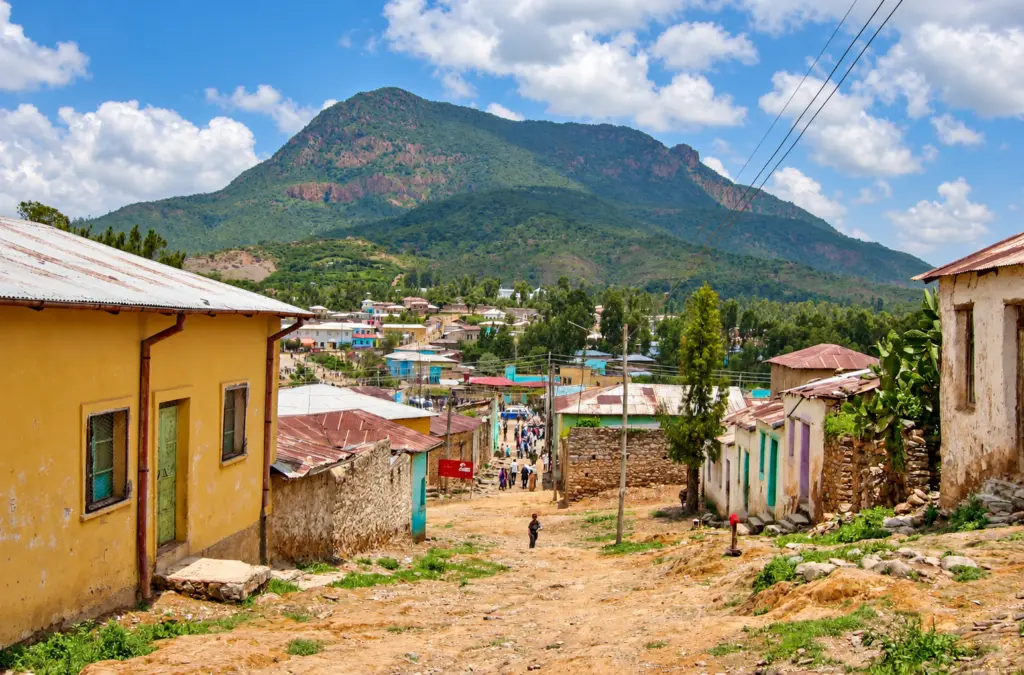
On 1 March 1896, an Ethiopian army led by Emperor Menelik II defeated invading Italian forces at Adwa, stopping Italy’s attempt to colonise Ethiopia. It became a symbol of African sovereignty and Black pride far beyond the country.
If Adwa were in Europe or North America, it would already be a major battlefield destination. Waterloo (a battle that actually took place in Braine-l’Alleud, but named after the neighbouring area whose name the British found easier to pronounce), Gettysburg and Normandy are better known, but no less consequential in world history. They are, however, better described and interpreted. The Adwa battlesite deserves the kind of monument, visitor centre, and museum that would make it an international attraction, unmissable for any visitor to Ethiopia.
The Swahili Coast – echoes of ancient trade winds
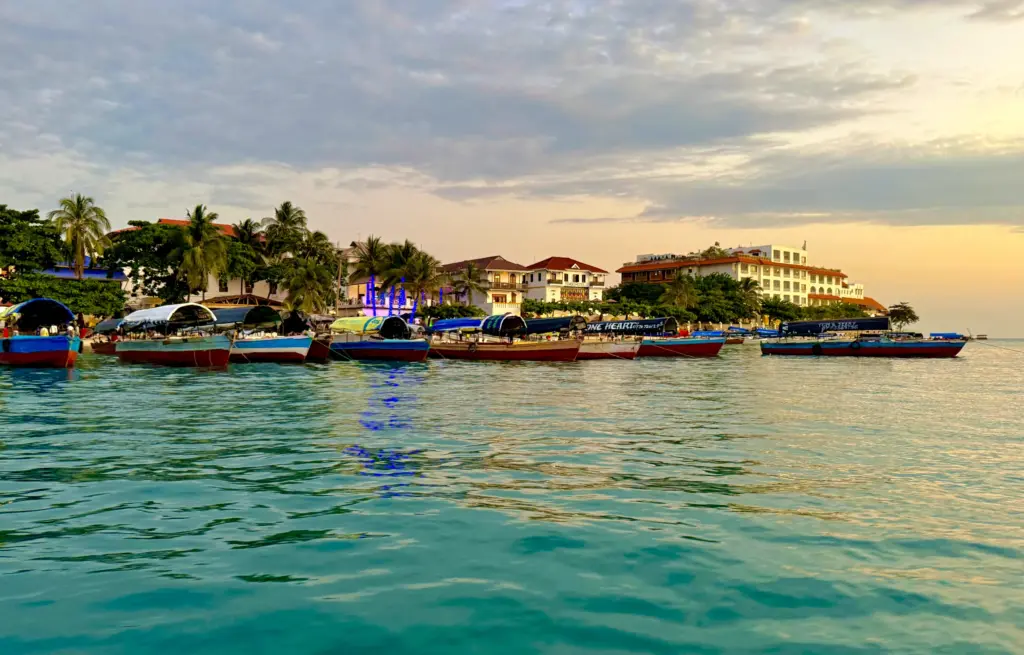
People tend to encounter Lamu, Stone Town and Kilwa as separate attractions in different countries. Historically, they belonged to the same maritime world: a chain of Swahili towns streching from Somalia to northern Mozambique and Madagascar, connecting the African interior with Arabia and Asia for centuries. Trade shaped the region’s language, architecture and food without making its culture any less African.
Lamu has been continuously inhabited for more than 700 years. Gedi was a prosperous city of stone houses with an organised water system. Farther south, Kilwa was a major centre of the medieval gold trade. The Swahili world extended beyond it to Mozambique Island and the historic medinas of the Comoros.
Tourism marketing often reduces these places to beach holidays with an old-town excursion attached. That flattens their history. The Mediterranean is understood and marketed as a connected cultural region. The Swahili Coast should be too.
Africa’s kingdoms deserve a place on the tourism map
Great Zimbabwe should be one of the world’s best-known medieval cities. Built mainly between 1100 and 1450, it supported more than 10,000 people at its height. Finds from China, Persia and Kilwa show how closely it was tied to long-distance trade.
Mapungubwe in South Africa and Khami in Zimbabwe turn that one great city into a regional story about the states that linked the southern African interior to the Indian Ocean.
Central Africa has an equally compelling history. Mbanza Kongo was the capital of the Kongo Kingdom from the 14th to the 19th century. Its rulers developed their own synthesis of Christianity and Kongo tradition while maintaining diplomatic relations with Europe.
I spent the better part of 2014 and 2015 in Kinshasa, and the weakness of the tourism narrative around this history has always struck me. The wider Kongo world crosses Angola and both Congos. It also reaches into the Atlantic diaspora and forward into Congolese rumba.
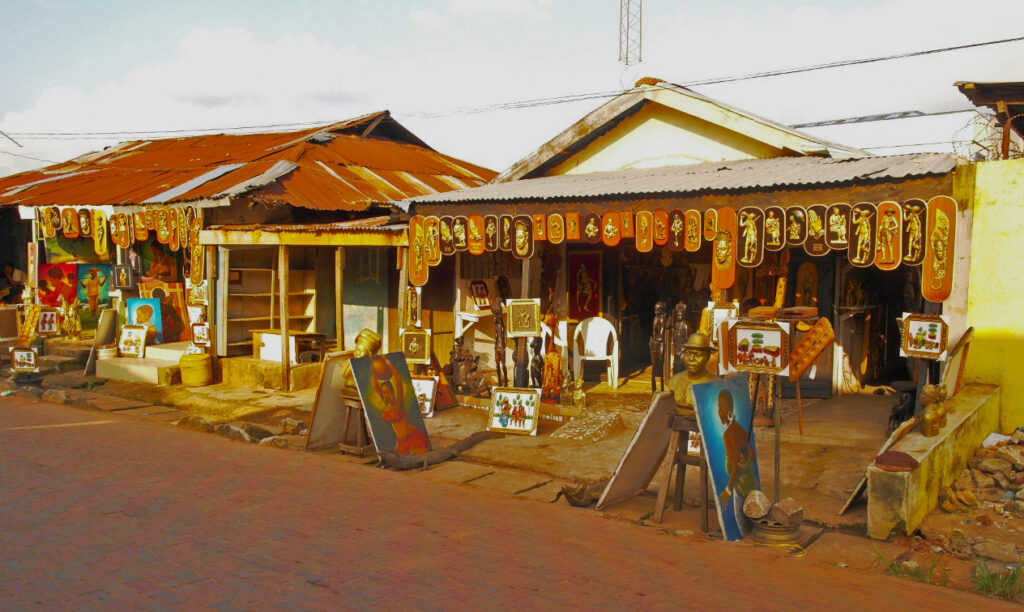
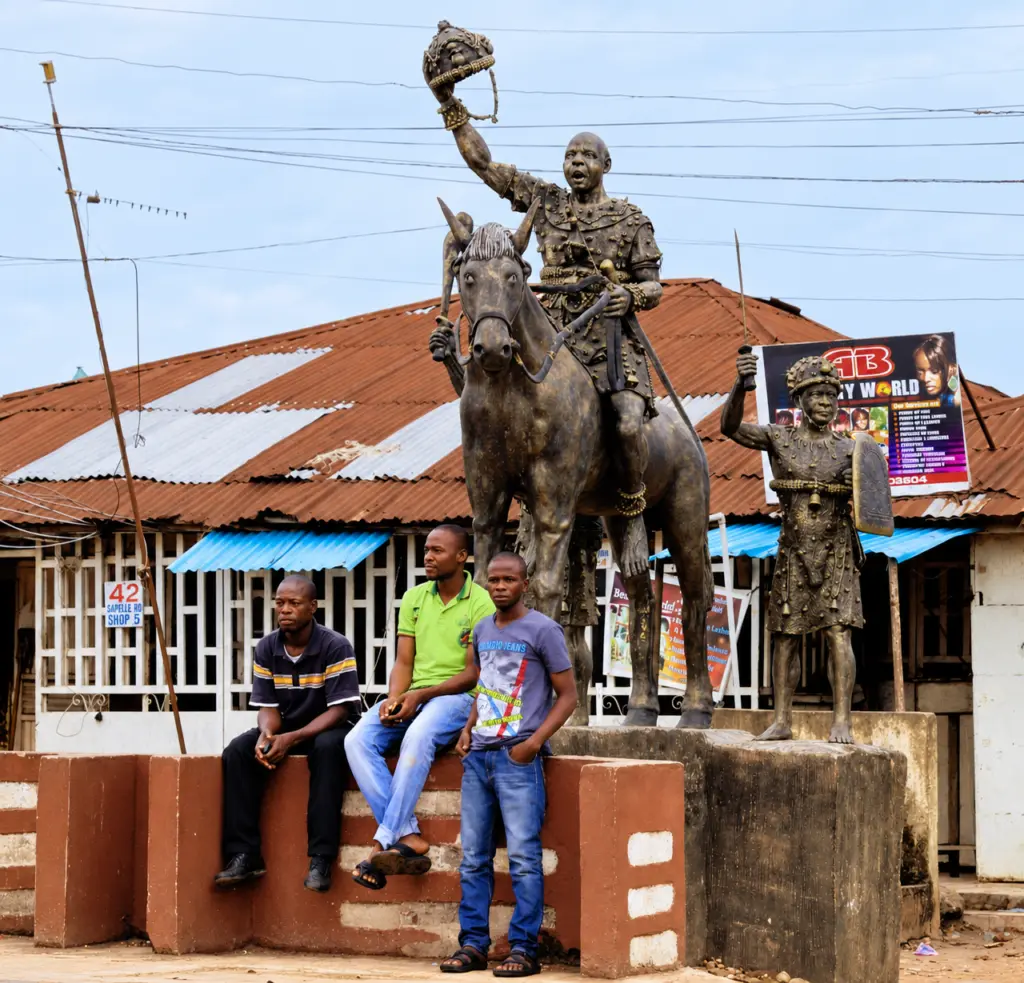
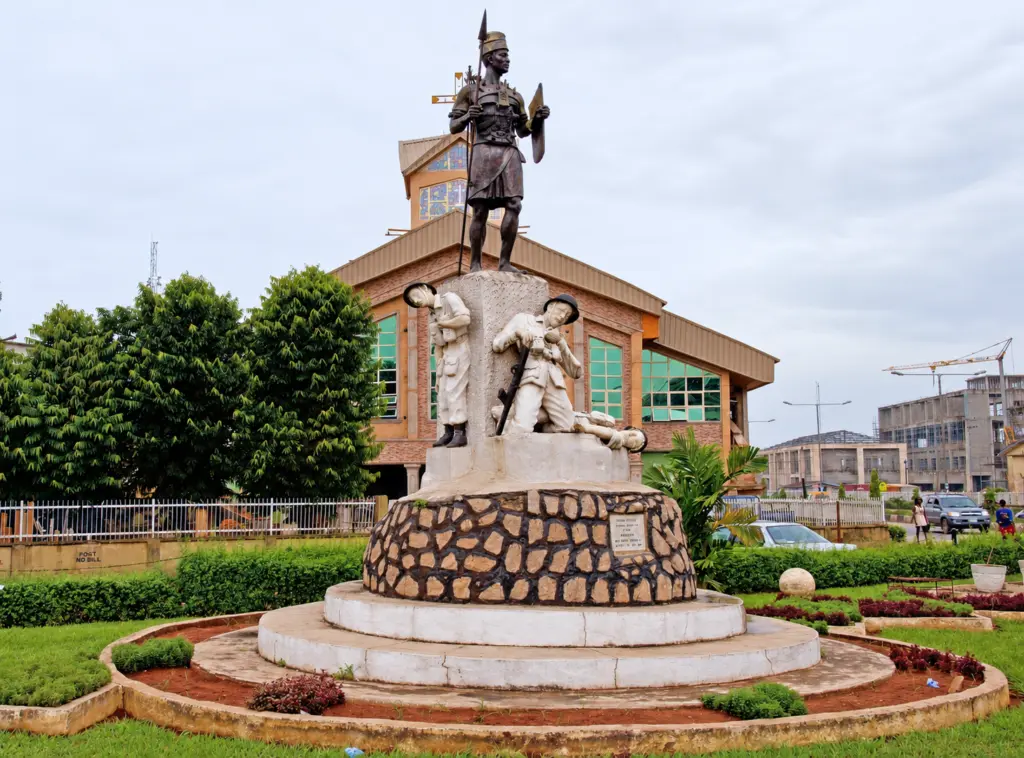
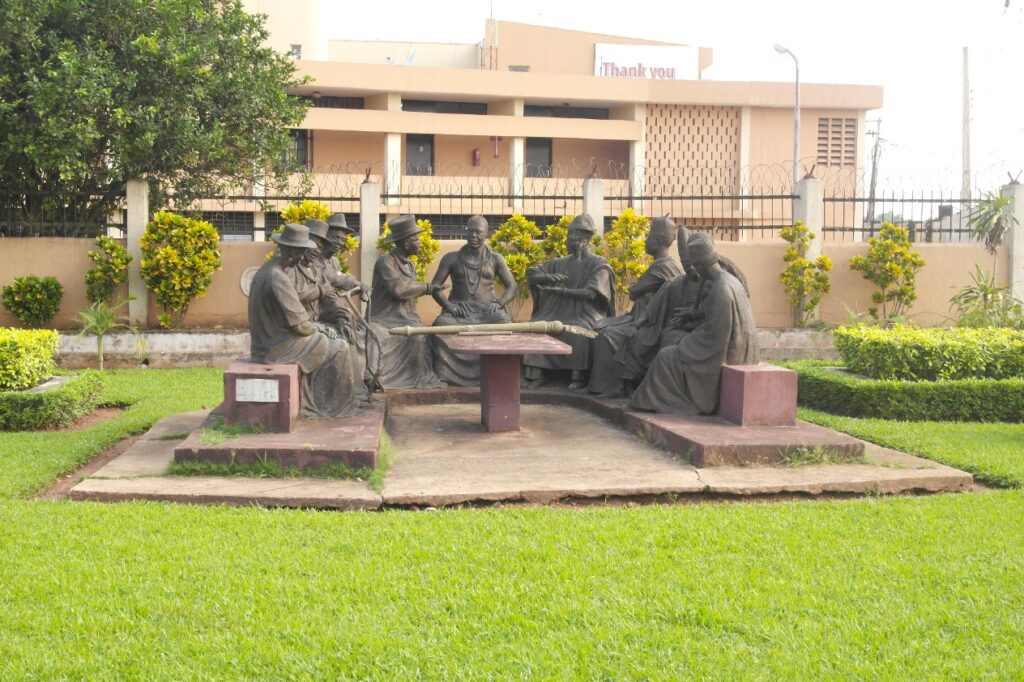
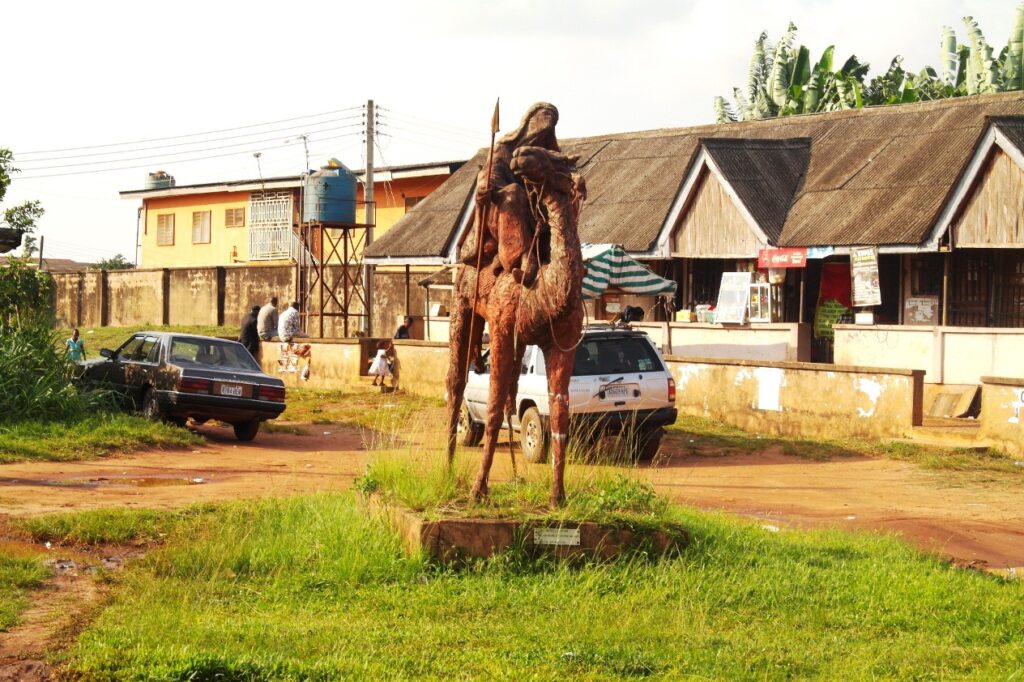
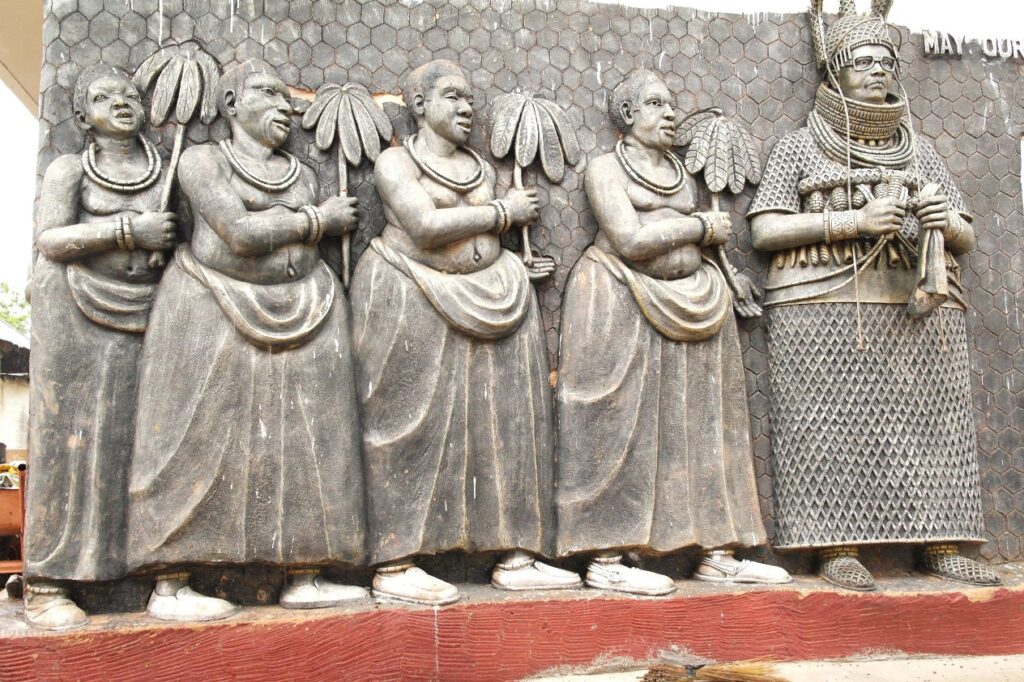
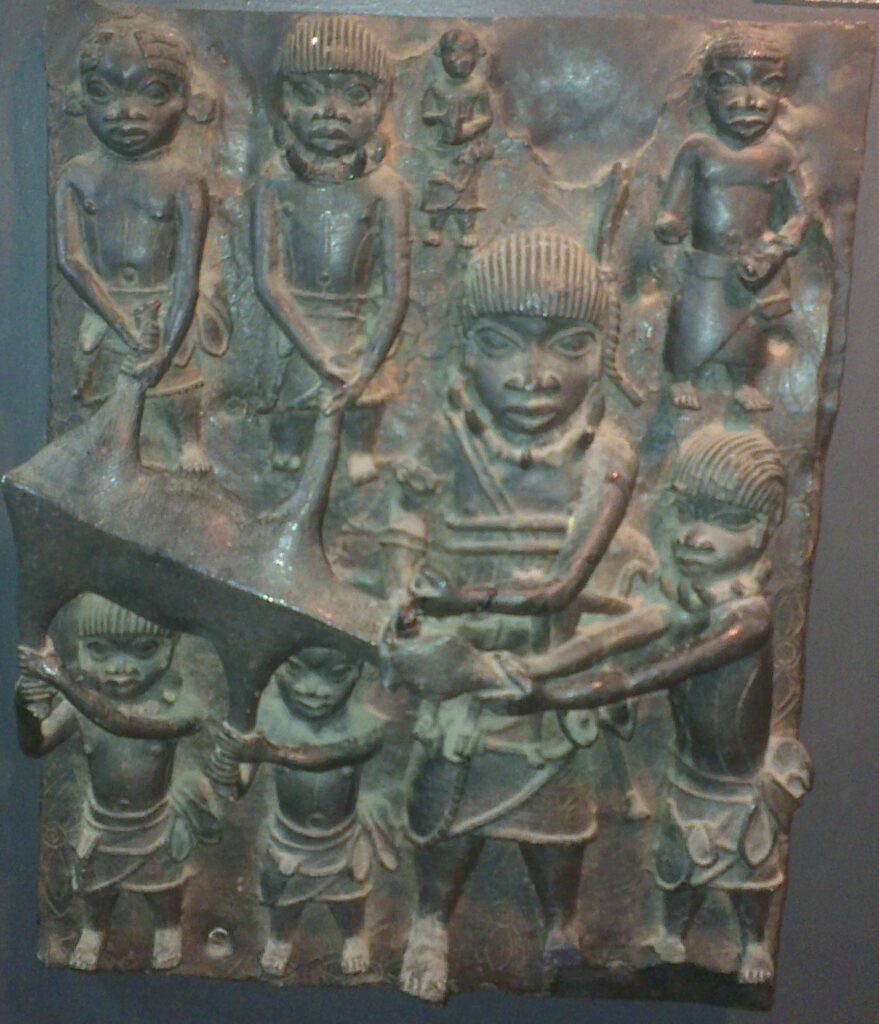
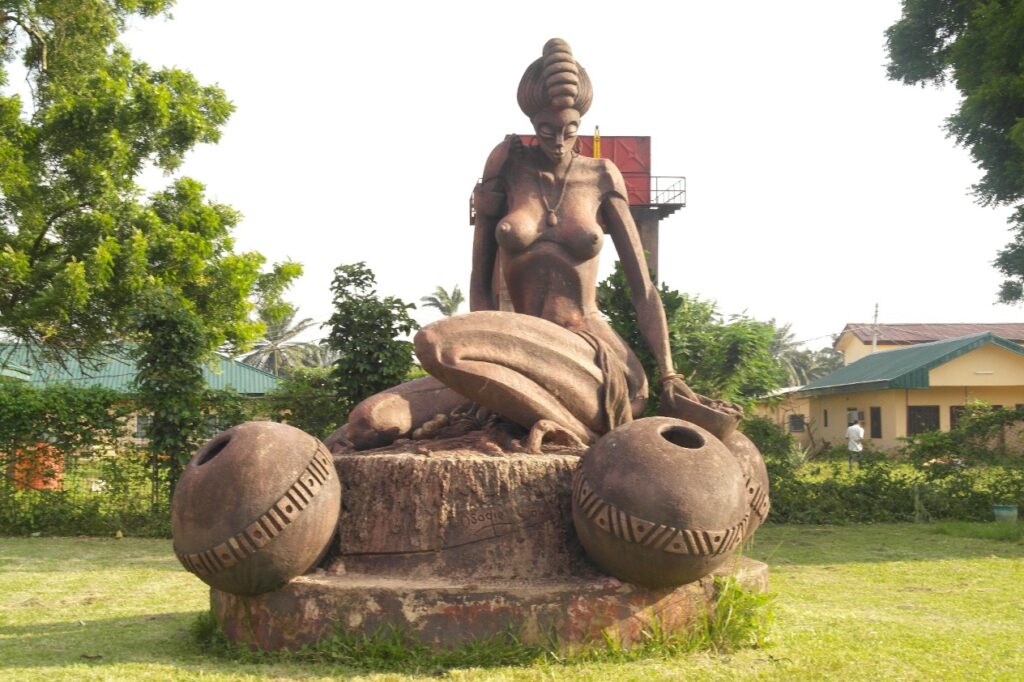
West Africa offers another extraordinary concentration of royal history. The Kingdom of Benin produced some of Africa’s greatest court art, while Benin City and its surrounding settlements were enclosed by an estimated 16,000 kilometres of earthworks. Much of that network has disappeared, but brass casting continues on Igun Street. The return of looted Benin Bronzes offers a chance to establish the city as a major destination for African art and royal history.
Benin City can reasonably be considered one of Africa’s most important royal heritage sites. Its centuries-old artistic traditions remain alive today. With the right marketing, it could and should take its place among the continent’s iconic cultural destinations.
Nigeria’s vast cultural tourism potential is barely used. Kano’s old city and the Durbar remain living expressions of emirate history. The country’s only two World Heritage sites are Osun-Osogbo and Sukur, a startlingly small number for a country of its size.
The Sahara – from prehistoric rock art to medieval trading cities
To most people, the Sahara evokes sand dunes, camels and otherworldly landscapes. Those are already powerful attractions. But the immense desert has a much deeper history. Until around 5,000 years ago, the place was greener, with savannas, lakes and forests. Its heritage stretches from prehistoric rock art to the great desert cities of the medieval period.
Tassili n’Ajjer in Algeria contains more than 15,000 drawings and engravings of wildlife, cattle and people. Similar prehistoric art survives at Tadrart Acacus in Libya and across the Ennedi and Tibesti in Chad.
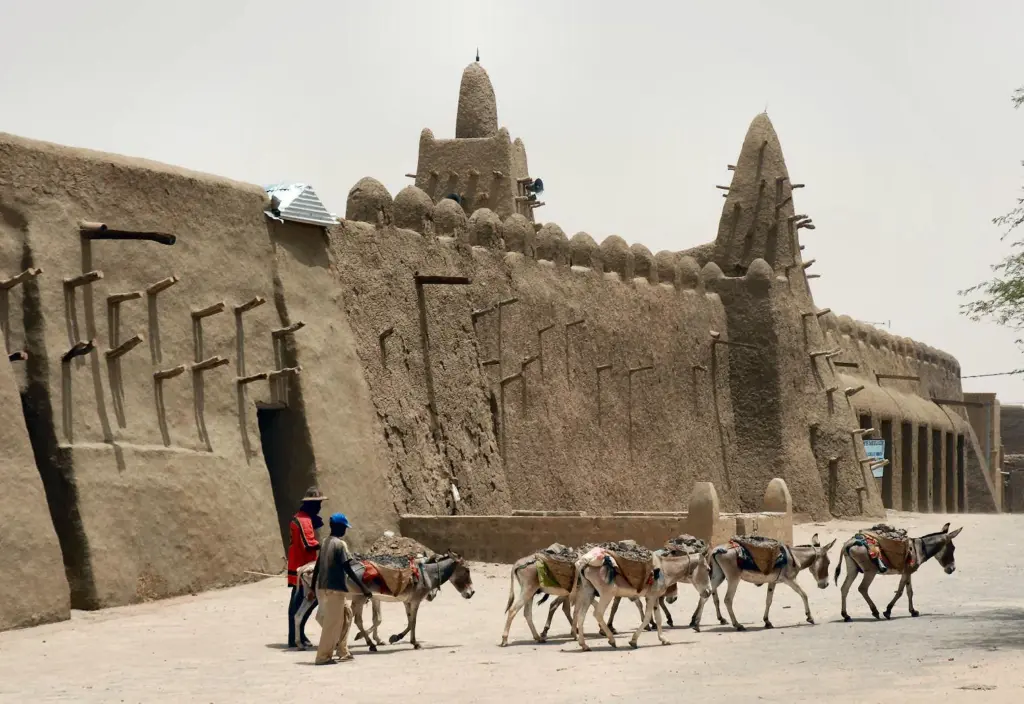
Source: Wikimedia Commons
Much later, Bedouin and Tuareg caravans connected oasis towns with trading cities across the desert. Timbuktu grew rich on gold and salt and famous for its scholars and libraries. Djenné became one of Africa’s great earthen cities.
Both have been on my bucket list for decades and will probably remain there for some time still. I have flouted “Do not travel” advisories before, but tourists now have serious market value in parts of the Sahel. Being traded as a commodity between a local militia and JNIM is not on my bucket list.
Southern Tunisia is considerably easier. The Berber town of Tataouine gave Star Wars its Tatooine, while the surrounding ksour, cave homes and desert landscapes became part of Luke Skywalker’s home planet.
In Mauritania, the old caravan towns of Chinguetti and Ouadane sit close to the Richat Structure, a 40-kilometre geological bullseye that inevitably attracts Atlantis theories. Geologists disagree. The nearby Semsiyat Dome has inspired an even stranger idea: that it was once a circular river island with a Stone Age settlement. Probably not. But who knows?
Dogon Country and cultural landscapes
The Dogon of central Mali are one of the country’s best-known ethnic groups, famous abroad for their art, masks and mud-built villages among the sandstone cliffs. Their communities are spread across 289 villages in a remote region where many roads are barely passable. Mali and tourism are rarely mentioned in the same sentence, even less so under the current security conditions. For now, Dogon Country remains largely the preserve of locals and a handful of adventurous foreign travellers.
Africa’s great journeys of faith
Religious tourism is often discussed as an opportunity that some African destinations could and should develop. In reality, millions already travel for pilgrimages and festivals. Most are domestic or regional travellers, so conventional tourism statistics barely see them.
The Grand Magal in Touba draws an estimated four to five million Mouride pilgrims. In Uganda, a government survey counted 813,945 visitors to the 2025 Martyrs’ Day pilgrimage at Namugongo. It also found that accommodation captured only 6% of visitor spending.
Traditional religions can also be crowd-pullers. Benin’s government estimated that Vodun Days in Ouidah attracted more than 435,000 people in 2025. Vodun is a living religion rooted in Benin, although much of the world knows it only through the distorted image of “voodoo”. The name recognition is already there, if not always for the right reasons. Benin now wants to make Vodun a pillar of its tourism industry and present it on its own terms. Done well, it could become one of Africa’s defining indigenous cultural experiences.
Ethiopia has particular potential here. Lalibela’s “New Jerusalem” and Axum’s association with the Ark of the Covenant could attract Christian visitors far beyond the country’s own Orthodox community. Both offer religious journeys with deep historical roots.
Negash connects Ethiopia to the earliest years of Islam, when Muslims fleeing persecution found protection in a Christian kingdom. Alongside Harar’s centuries of Islamic scholarship, that gives Muslim travellers compelling reasons to visit. With focused marketing and tourism development, Ethiopia could build a large international pilgrimage market among both Christians and Muslims.
Colonial history is heritage too

Swakopmund and Lüderitz preserve some of Africa’s most distinctive German colonial architecture. While it would be impossible and also dishonest to try and separate those elegant old buildings from the genocide committed against the Herero and Nama between 1904 and 1908, they still stand as key, well-preserved memorials to Germany’s colonial history.
Senegal offers a different colonial landscape. Saint-Louis has the feel of an old French Atlantic town, while Île de Gorée is a place of remembrance and pilgrimage for the African diaspora. Their idyllic settings belie a dark history, especially Gorée’s role in the slave trade.
But history isn’t always pretty, and preserving colonial heritage does not have to mean celebrating imperialism. These buildings can tell the story of occupation and struggle, including how places once reserved for colonial rulers have been reclaimed and put to new use.
Africa’s history won’t sell itself
Africa’s destinations have plenty to offer, but too often fall behind in marketing, branding and positioning. This applies to culture and heritage, but also to adventure and culinary tourism, and even beach destinations, where the continent should have a major competitive edge.
While some African destinations are gaining traction in wildlife and beach tourism, albeit on a modest scale by international standards, culture and heritage remain glaringly absent from most itineraries. Not that tourists aren’t interested: They don’t know about them. Even many tour operators may be surprisingly ignorant of the cultural treasures right outside their doorstep.
A new era for African tourism, on Africa’s terms
In 2024, Africa received a mere 5% of the world’s tourists, and a meagre 2.5% of the global tourism spend. Yet, it has 20% of the landmass and 19% of the population. Bridging the gap requires a significant broadening of the industry and a shift in how the destinations position themselves.
The stereotypical “wildlife and beaches” narrative served classic African destinations like Kenya and Tanzania well for decades. Now it is holding them back.
Don’t get me wrong: Maasai Mara and Serengeti are still amazing, as are the beaches of Zanzibar and Diani. It’s just that Kenya, Tanzania, and other African destinations have so much more to offer, and the wildlife and beaches narrative is so deeply ingrained in the global audience, that expanding it takes the effort of battling old stereotypes.
For African destinations to close the gap, those preconceptions need to change, and culture and heritage are among the most potent stories to tell in that perspective.
Culture is also identity, and defining power. The world’s most successful destinations have intriguing stories that intertwine history, arts, food, nature, sceneries, adventure, and pretty much any aspect that can be experienced and enjoyed.
African destinations eventually rising to the occasion and defining their cultural and historic narratives on their own terms could not only transform the continent’s global image, but also lay the foundations for a new era of tourism growth for the continent. This time on the terms of the destinations themselves, going far beyond just wildlife and beaches.