

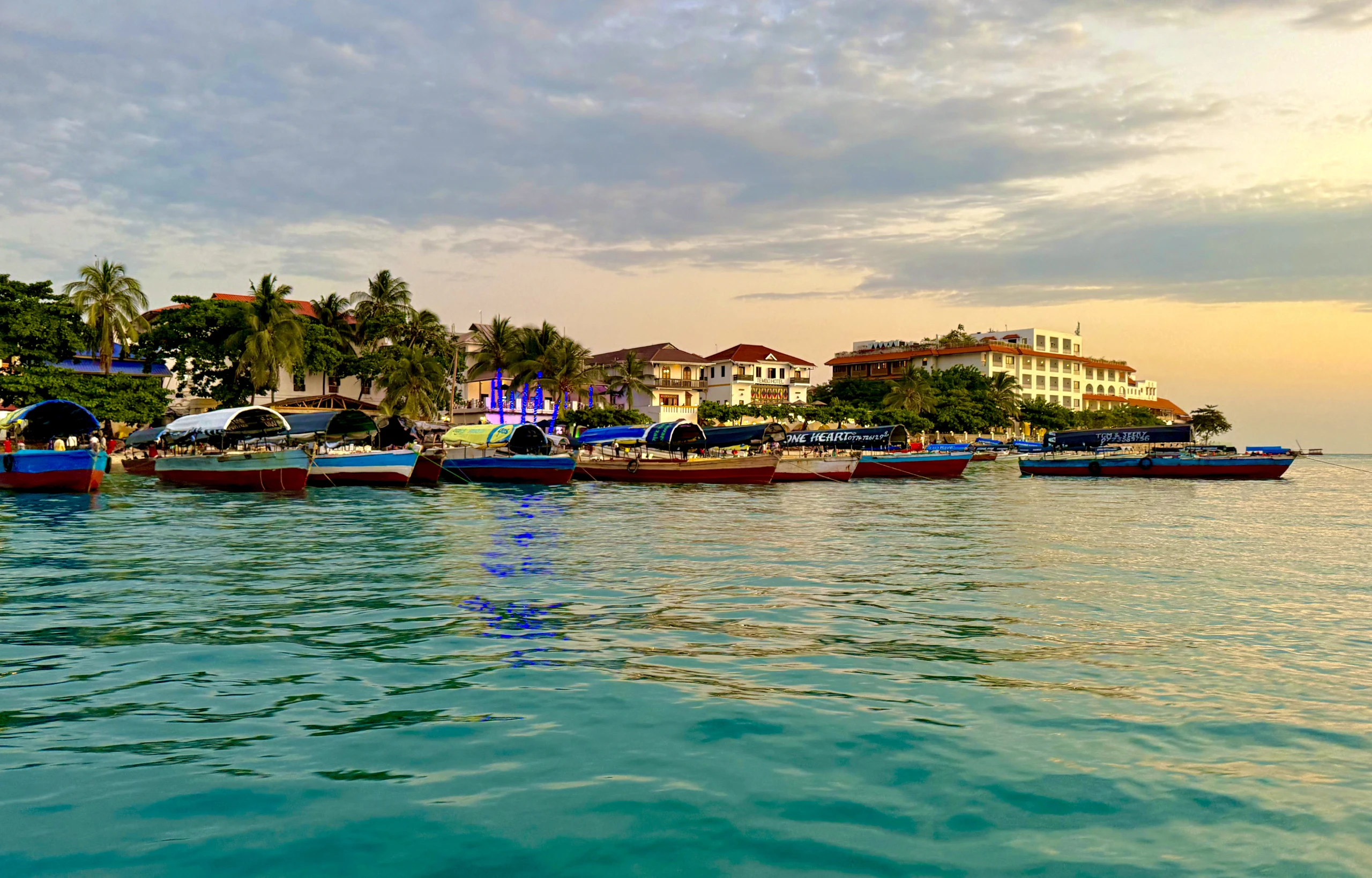
Zanzibar Is Rising Fast. Kenya’s Coast Should Pay Attention.
Zanzibar has become one of Africa’s most visible coastal tourism growth stories. In 2025, the islands recorded 917,167 international arrivals, up from 736,755 in 2024. That is almost 25% growth in one year.
The rise of Zanzibar is nothing short of impressive. Other African destinations should observe and learn some lessons from their example. With the right positioning, marketing, and branding, everything is possible.
Neighboring Kenya – one of Africa’s grand old classic tourist destinations – also grew. International arrivals reached around 2.7 million in 2025, up from about 2.47 million in 2024. That is roughly 9% growth, but from a much higher base, and across a far broader tourism economy.
The comparison is still becoming harder to ignore. Zanzibar, an autonomous island under Tanzanian sovereignty, is now a major driver of tourism growth in Tanzania. Tanzania’s total international arrivals rose by around 150,000 in 2025. Zanzibar alone added more than 180,000 international arrivals. The numbers are not directly comparable, because Zanzibar and mainland Tanzania have different reporting structures, and some travel flows overlap. Still, the direction is clear enough: Zanzibar is no longer just the beach add-on after safari. It is a major destination in its own right.
Zanzibar – Africa’s rising beach tourism star
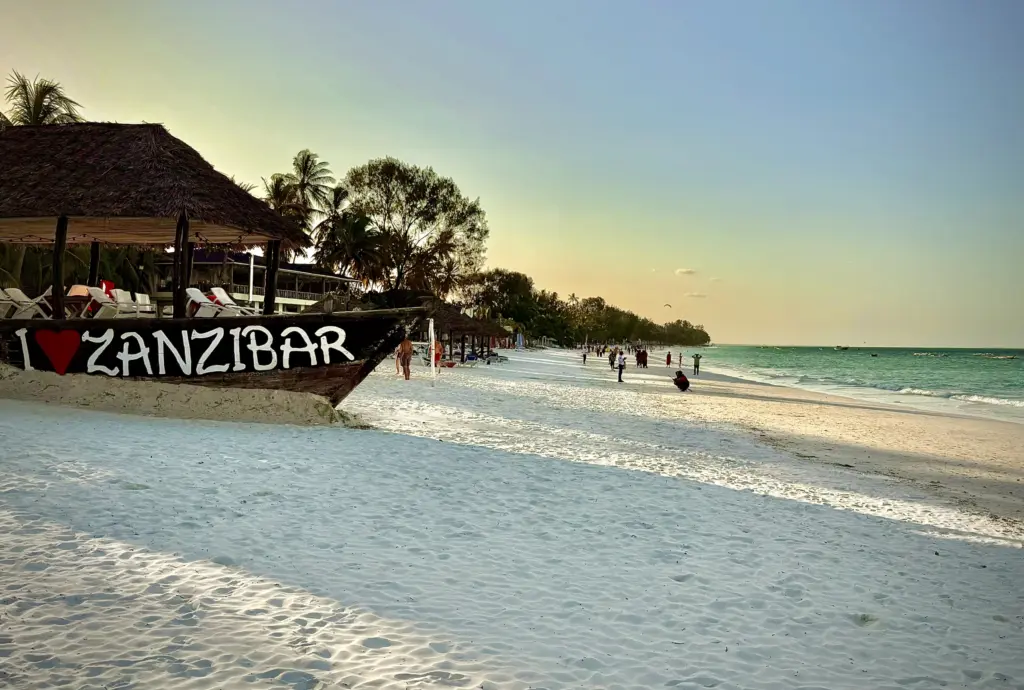
So is Zanzibar outclassing Kenya as a tourism destination?
Partly yes. Partly no. The answer depends on what is being compared.
Zanzibar has a sharply focused tourism proposition. The story is simple: beaches, Stone Town, Swahili heritage, spice history, seafood, marine activities, and the emotional pull of an Indian Ocean island. The uploaded strategy comparison makes this clear. Zanzibar keeps returning to a compact set of assets: white sand, turquoise water, dhows, narrow Stone Town streets, spice farms, resort leisure, and coastal culture. That gives the destination strong recall in international leisure markets.
Kenya’s tourism strategy is much broader. Kenya is safari, beach, MICE, business travel, conservation, adventure, sports, cities, food, culture, and landscape variety. It has the Maasai Mara, Amboseli, Tsavo, Laikipia, Nairobi, Mombasa, Diani, Lamu, Mount Kenya, the Rift Valley, and a large domestic and regional tourism base. It is built around a multi-faceted value proposition with a wide portfolio of experiences and attractions.
That breadth is Kenya’s strength. It is also one reason the Coast does not always get the global attention it deserves.
“Kenya” still means safari first in many international markets. The beach product exists, and parts of it are outstanding, but it competes for attention inside a much larger national brand. Zanzibar does not face the same problem. It sells the island dream, and it sells it repeatedly.
Kenya Coast vs. Zanzibar
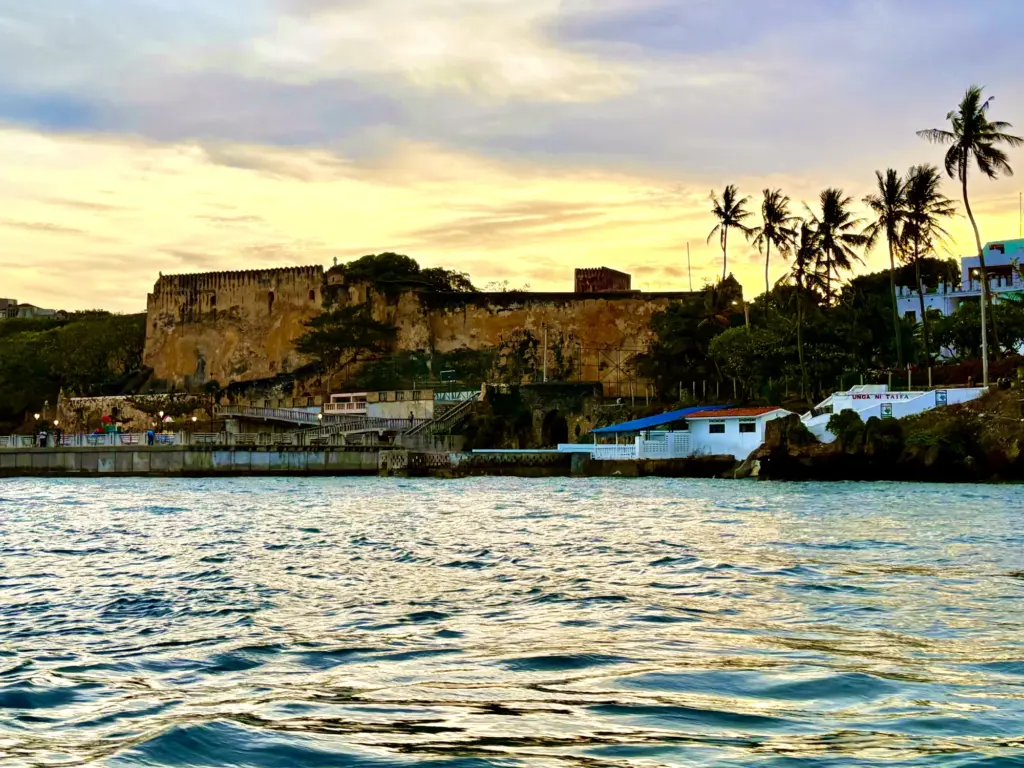
The better comparison is therefore not Kenya versus Zanzibar. It is Kenya Coast versus Zanzibar.
That comparison is more valid, although still not perfect. The Kenya Coast is a much more diversified economy than Zanzibar. Mombasa is a major port city. The region has larger towns, logistics, industry, domestic commerce, government presence, MICE potential, and a bigger urban economy. Zanzibar has made leisure tourism one of the central pillars of its economy. On the Kenya Coast, tourism is one pillar among several.
But in international leisure tourism, Zanzibar is pulling ahead of the Kenya Coast. Fast.
It may also be moving toward Kenya’s total international leisure segment if the current growth trend continues. Kenya received about 2.7 million international visitors in 2025. If leisure accounted for around 46%, that suggests roughly 1.24 million international leisure arrivals. Zanzibar recorded 917,167 international arrivals, with the overwhelming majority travelling for holiday purposes. It has not overtaken Kenya’s total leisure segment yet, but it is close enough for the trend to deserve serious attention.
The Indian Ocean comparison is even sharper. Seychelles received just under 400,000 visitors in 2025. Zanzibar received more than 917,000. That makes Zanzibar more than twice the size of Seychelles by arrivals. Mauritius received around 1.44 million tourists in 2025. At the current relative pace, Zanzibar could overtake Mauritius in two to three years, although growth rates usually slow as destinations mature.
That is a major shift. Zanzibar is becoming one of Africa’s strongest island and beach destinations. Not as a niche alternative. Not as a post-safari extra. As a destination with global pull and a strong international brand.
Kenya Coast – strong value proposition, but different
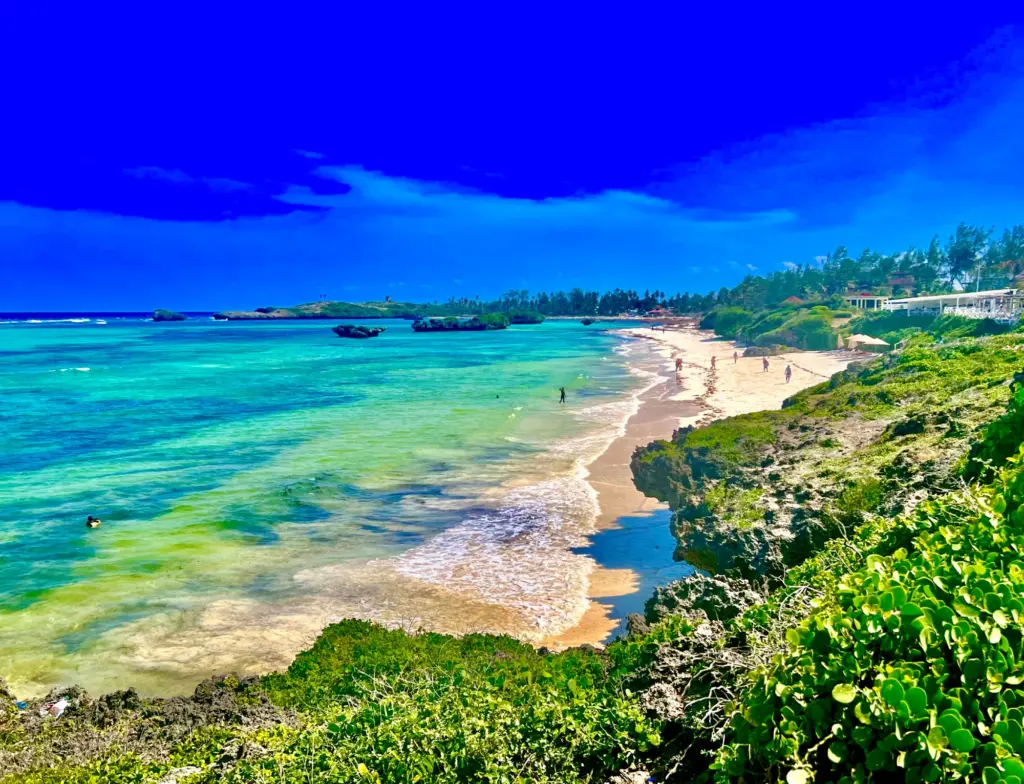
The Kenya Coast has many of the same ingredients. In some areas, it has more.
Diani is one of Africa’s best beaches by any serious standard. It has repeatedly been recognised internationally, including several years at the top of the World Travel Awards’ Africa beach category. Watamu has marine life, reefs, creek landscapes, and strong Italian links. Kilifi has space, culture, and a growing creative scene. Lamu has one of the oldest and best-preserved Swahili towns in East Africa. Mombasa has Fort Jesus, Old Town, food, history, trade heritage, and the scale of a real coastal city.
The heritage base is extraordinary. Lamu Old Town is a UNESCO World Heritage Site. Fort Jesus is a UNESCO World Heritage Site. Gedi was added to Kenya’s UNESCO list in 2024.
Beyond these major landmarks, the Kenya Coast has more than 100 known Swahili heritage and archaeological sites, from lesser-known ruins, mosques, tombs, and old settlements to sacred kayas, trading histories, food traditions, carved doors, and coral-stone architecture. Mombasa Old Town has the depth, character, and history to become a much stronger tourism asset if it is properly protected, restored, and managed. The result is one of the richest cultural landscapes in Africa.
This is a strong product, but also an under-positioned one.
To keep up with Zanzibar, Kenya needs a dedicated coastal tourism strategy inside the national tourism strategy. Not instead of Magical Kenya, but under it. The Coast needs a clearer, repeated, globally recognisable proposition. Diani, Mombasa, Watamu, Kilifi, Malindi, Lamu, Gedi, Fort Jesus, the kayas, the marine parks, the food, the dhows, the Swahili ruins, and the old trading towns should be presented as parts of one coastal brand and story.
That branding needs more investment to build a serious regional identity with a globally recognized brand.
Stone Town shows what happens when heritage becomes central to a destination’s identity. Kenya should apply the same seriousness to Lamu, which already has World Heritage status, and to Mombasa Old Town, which should be pushed properly toward full World Heritage recognition. Protect it. Restore it. Polish it. Keep it alive. Turn it into a living Old Town attraction with restored buildings, food tradition, galleries, cafés, lighting, security, and proper public space management.
Mombasa Old Town should be one of the great urban heritage attractions of the Indian Ocean. At the moment, too much of its potential is treated as a casual afterthought, with old buildings crumbling and being replaced by new ones that barely fit in, while vehicles jam the narrow, winding streets that were dimensioned for donkeys.
A restored, well-managed, and largely pedestrianized Old Town would generate tourism revenue, support small businesses, strengthen Mombasa’s identity, and give the Kenya Coast an even stronger cultural anchor. Stone Town should be the reference point.
Air connectivity
Then there is aviation.
Air access shapes a market. Zanzibar has benefited from charter traffic, international packages, easy leisure positioning, and a deliberate push to attract direct international connections. The relatively new Terminal 3 at Abeid Amani Karume International Airport has helped the island sustain and accelerate its growth. More direct flights mean easier packaging, lower friction for travellers, and stronger visibility in the markets that matter.
On the Kenyan side, Moi International Airport needs a serious upgrade. Mombasa should have a modern, high-capacity airport with better passenger flow, stronger baggage handling, more efficient systems, and the infrastructure to support direct flights from major global cities. This is overdue. A coastal destination with Diani, Watamu, Kilifi, Malindi, Lamu, and Mombasa itself should not depend on an airport experience that feels like it is still waiting for the future to arrive.
This is not an either-or argument. A stronger Kenya Coast does not have to weaken Zanzibar. Africa is now the fastest-growing tourism region in the world. Better marketing, stronger infrastructure, and more serious product development across the region would most likely expand demand rather than simply shift it from one destination to another.
A stronger Kenya Coast would strengthen the regional beach-and-safari circuit. A stronger Tanzania Mainland Coast would add even more depth. Zanzibar’s rise already helps East Africa’s leisure profile. Mozambique and Comoros bring additional coastline, island culture, food, and Indian Ocean identity into the picture.
Team up and brand the Swahili Coast jointly
This is where the bigger opportunity sits: a transnational Swahili Coast brand.
Kenya, Tanzania and Zanzibar, Mozambique, and Comoros should explore a shared Swahili Coast tourism platform. Not as a replacement for national marketing. Kenya should still market Kenya. Zanzibar should still market Zanzibar. Mozambique and Comoros should do the same. But an umbrella Swahili Coast identity would give the region a stronger cultural and geographic frame in global markets.
A future stable and secure Somalia, once a key player in the Indian Ocean Trade would fit perfectly in that frame as well.
The Swahili Coast is one of Africa’s great historical corridors, so building it as a brand would be much more than just innovative marketing. It links old trading towns, coral-stone architecture, Indian Ocean food cultures, dhow traditions, Islamic scholarship, African, Arab, Persian, Indian, and European influences, and some of the most attractive coastline on the continent. That story is bigger than any single destination.
Zanzibar has shown what focus can achieve. Kenya has shown what breadth can achieve. The next step is not to argue over which destination is better. The better question is how Kenya’s Coast can get the strategic attention its assets justify, and how the wider region can build a stronger shared identity around one of Africa’s most distinctive coastlines.
Zanzibar is not outclassing Kenya as a whole. Kenya is too broad, too established, and too diversified for that conclusion. But Zanzibar is outclassing the Kenya Coast in focused leisure positioning, international beach visibility, and the simplicity of its destination promise.
The Kenya Coast already has the beaches, the food, the towns, the history, the resorts, the culture, and the location. It now needs sharper strategy, better infrastructure, serious heritage protection, and a coastal brand with enough force to travel globally.
The Swahili Coast already has the assets. What is still missing is the shared strategy to turn them into a stronger regional tourism brand.