
Urban Africa is becoming the next big tourism story
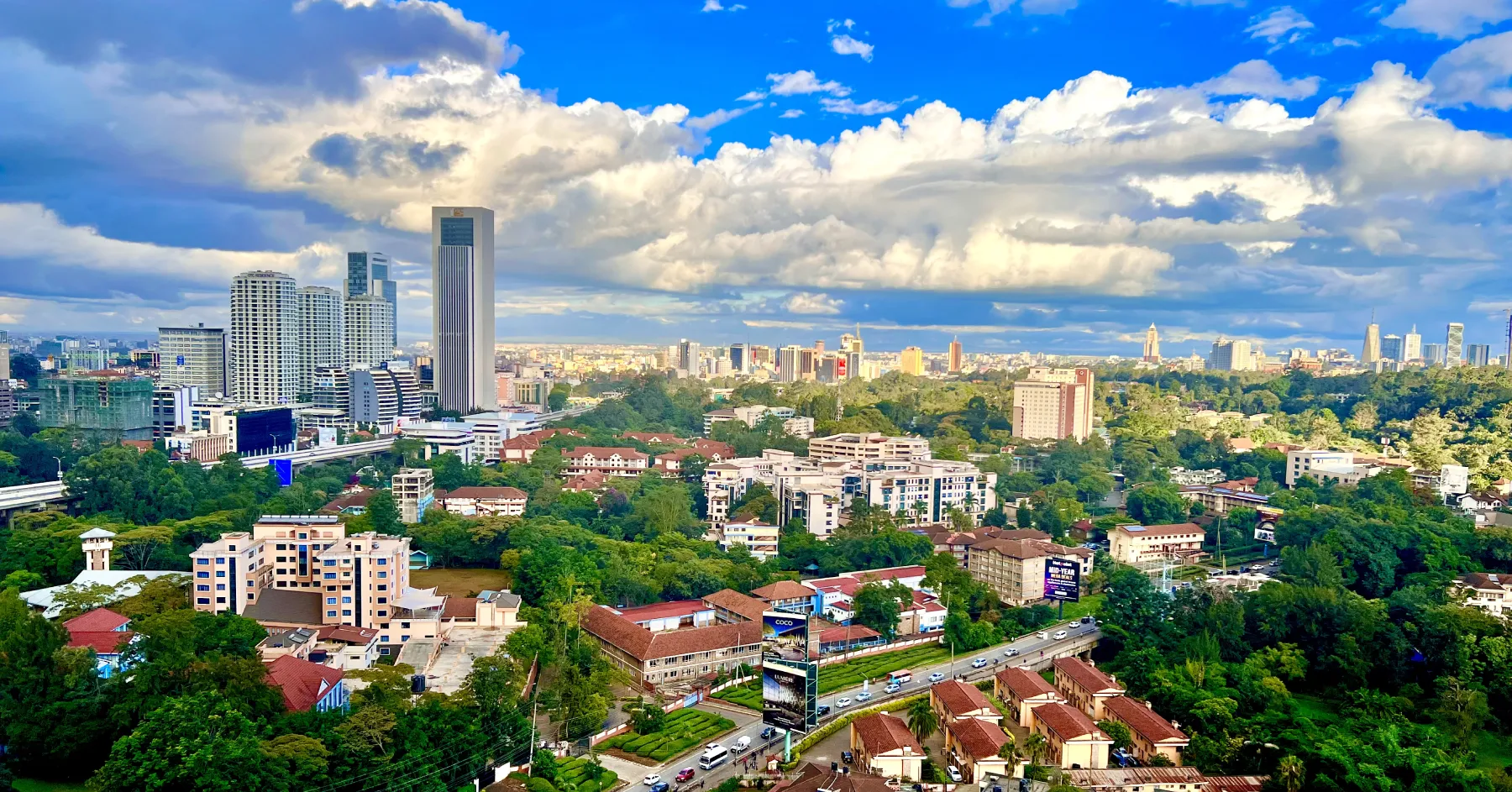
For more than two decades, Nairobi has been rising as an African city destination in its own right, drawing visitors for its urban life far beyond the old stopover-before-safari role. More visitors are coming on extended leisure stays and treating the city itself as part of the attraction. They still do Nairobi National Park, the Giraffe Centre, Sheldrick, Karen Blixen, Ngong Hills, Naivasha, the Mara, Amboseli, or the Coast. Of course they do. That’s part of the experience. But they’re also staying longer because Nairobi itself has become a much more interesting city to explore.
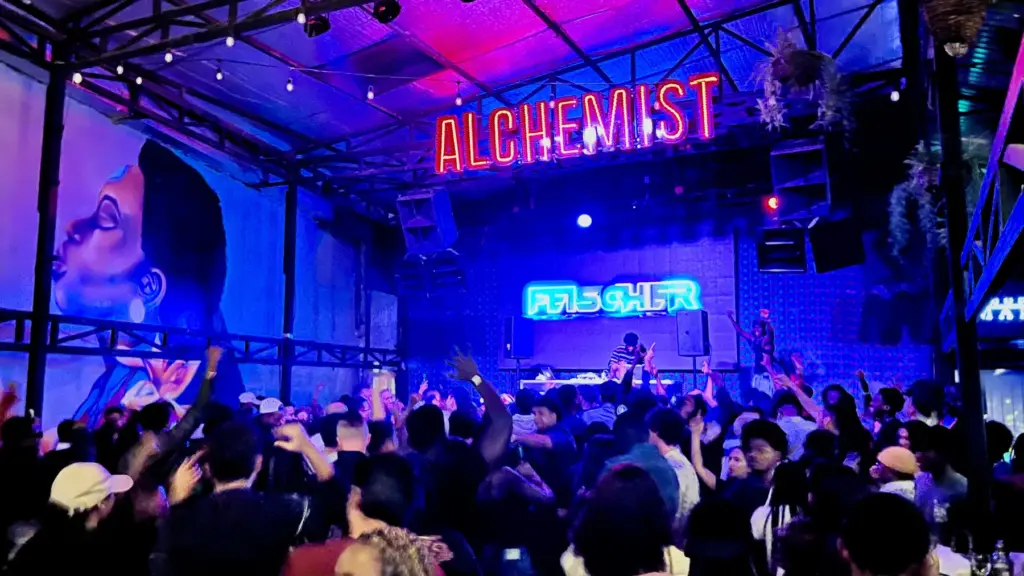
The city has developed a serious restaurant scene, cool bars, vibrant nightlife, live music, galleries, cafés, malls, conferences, festivals, creative spaces, and a growing range of activities in and around the city. Westlands, Karen, Kilimani, Lavington, Gigiri, even the CBD each offer different versions of Nairobi. The old “one night before safari” model is a relic.
Kenya’s broader tourism numbers emphasize the trend. International arrivals reached around 2.7 million in 2025, while domestic travel reached about 5.2 million trips. Kenyans, residents, regional travellers, diaspora visitors, conference delegates, digital workers, and business travellers adding weekends consume destinations differently from the classic long-haul safari tourist. They go deeper into the city, spending in restaurants, bars, malls, galleries, gyms, event spaces, farms, hiking areas, and weekend destinations. They create demand that international leisure travellers then plug into.
Beyond wildlife and beaches
Sub-Saharan African tourism has for decades been reduced into safaris, wildlife, lodges, sunsets, and a few iconic landscapes. East Africa especially has been reduced to animals, Land Cruisers, lodges, sundowners, and beach extensions. In parts of West Africa, especially Ghana and Sierra Leone, beaches have become a stronger part of the offer. That adds value, but the “wildlife and beaches” narrative still flattens destinations with much more to offer.
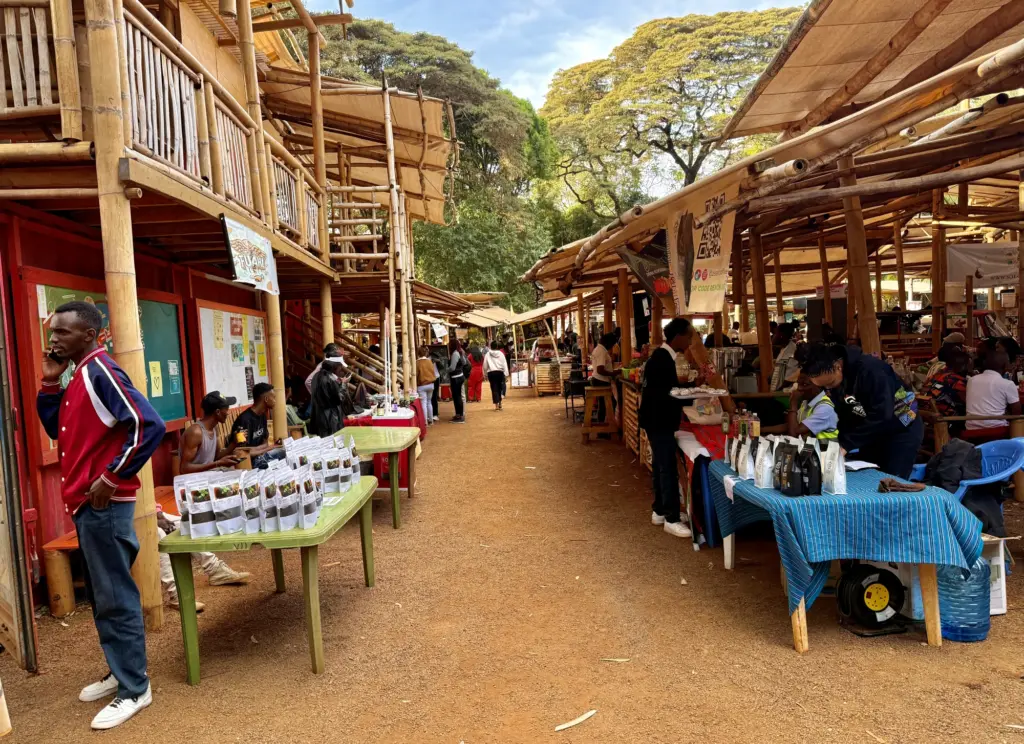
Urban tourists still go to the parks and beaches. They also dig deeper. They go to restaurants, clubs, concerts, galleries, museums, markets, fashion events, farms, hiking trails, music venues, sports events, and places that rarely make it into the standard safari brochure. They consume the destination through daily life as much as through bucket-list attractions.
Many are repeat visitors. They know the country and the region better, and they don’t depend on travel agents to plan their itineraries. They find places and experiences before they hit the beaten track, becoming early demand drivers for a tourism narrative that breaks out of the old “wildlife and beaches” loop.
Kenya always had more to offer. Mt. Kenya is a grand old classic. Ngong Hills and Mount Longonot have become established day destinations from Nairobi. Aberdares trails are gaining more attention. Kijabe has become known for paragliding, while Sagana has long been the centre of white-water rafting and river adventure. Farm tourism around Nairobi is growing, from tea in Limuru and Tigoni to coffee farms, cheese farms, flower farms, and future potential around fruit, avocado, macadamia, herbs, and regenerative agriculture. Further north, desert tourism around Chalbi and Turkana remains underdeveloped, but the potential is obvious.
Once treated as a stopover before the safari, Nairobi has grown into a base for deeper exploration: urban culture, outdoor escapes, regional travel, and experiences far beyond the old “arrive, sleep, safari” model.
Africa’s classic urban destinations
Some few African urban tourism destinations are already long-established. Cairo is one of the world’s great historic cities, with Islamic Cairo, Coptic Cairo, museums, markets, cafés, street food, the Nile, architecture, and now the Grand Egyptian Museum strengthening the city’s enormous heritage pull. The pyramids are the global symbol, but Cairo itself is the urban giant.
Marrakech is another classic African city destination, built around the medina, souks, riads, gardens, craft, food, design, boutique hotels, street life, and nearby Atlas excursions. A full destination in its own right.
Tunis has similar depth with weaker international packaging: Carthage, Sidi Bou Said, the medina, museums, Mediterranean urban life, Moorish architecture, and access to the coast. Fez is another classic, with one of the world’s great medinas and a heritage offer that remains more scholarly, craft-driven, and atmospheric than commercial. Alexandria has history, coastline, literature, cafés, and Mediterranean identity, although its global tourism profile is far below what its name should command.

The Swahili Coast has a long history of urban tourism, albeit at a smaller scale. Mombasa, Lamu, Stone Town, Kilwa, and other coastal towns were urban hubs centuries before modern tourism, shaped by the Indian Ocean trade. Traders, merchants, sailors, and travellers built a historic layer few destinations can match.
Mombasa was already an urban tourism destination a century ago. Today it is a fast-rising major city with rich heritage, street food, nightlife, and beaches. Stone Town is the focused heritage jewel, where the alleys, architecture, waterfront, and street life are the attraction. Lamu is the hidden gem: urban, intimate, fragile, and irreplaceable, with its old town, seafront life, and slow rhythm. It urgently needs serious restorative conservation before its character is lost.
The new urban destinations
The contemporary city destinations are powered less by old monuments and more by culture being produced now. Lagos is the clearest case: intense, chaotic, creative, expensive, difficult, and magnetic. Its pull is music, fashion, art, street food, nightlife, Nollywood, and the energy of a city that helps define contemporary African culture. Lagos Fashion Week, ART X Lagos, LagosPhoto, Design Week Lagos, Detty December, Afrobeats, Lekki, Victoria Island, and the city’s gallery ecosystem all point in the same direction.
Lagos also makes good use of its coastline. From beaches buzzing with life to high-end bars and restaurants facing the lagoon, the city has always had a strong waterfront pull. Before Eko Atlantic, Bar Beach was an attraction in its own right. Much of that energy has now shifted further down the coast as one of Africa’s largest real estate developments rises from the ocean. Eko Atlantic may well claim the “Dubai of Africa” title in a few years. Expect overpriced luxury, influencer traffic, and Michelin-level restaurants eventually. Yes, they’ll come to African cities too.
Accra has built one of Africa’s strongest event-led tourism seasons. December in Ghana has become a travel product: diaspora return, Afrobeats, parties, beach events, galleries, fashion, heritage, and nightlife. The city has turned homecoming into an economy. Cape Coast and Elmina add historical weight, but Accra drives the contemporary energy.
Dakar is built around identity, music, art, fashion, and the sea. Dak’Art gives it one of Africa’s strongest contemporary art anchors. Gorée Island adds heritage. Dakar feels like itself, and that confidence is part of the attraction.

Abidjan is rising fast. It has the skyline, the money, the restaurants, the music, the galleries, the nightlife, the lagoon, and the regional business traffic. Abidjan Art Week is helping position the city as a serious West African cultural hub.
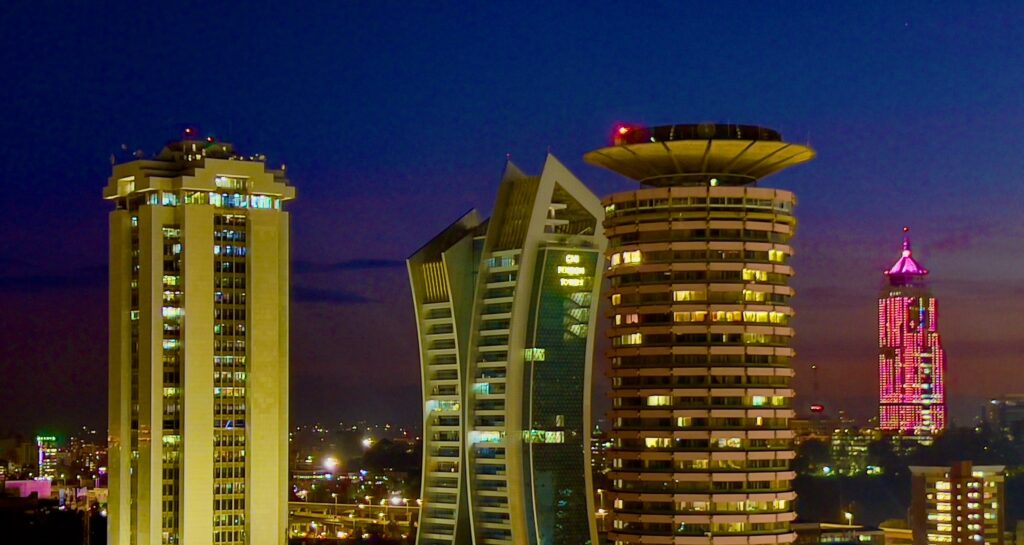
Nairobi belongs in this contemporary group too. Its advantage is the combination: business, conferences, safari access, national park, food, nightlife, conservation, outdoor activities, and a young urban culture that is becoming more confident. As it rises to the top tier of African conference cities, Nairobi also attracts more MICE travellers who stay a few extra days to explore the urban delights of East Africa’s undisputed centre of gravity.
And more cities rising
Then there are the emerging urban destinations. Kigali has built its profile through order, cleanliness, events, coffee, restaurants, galleries, memorial sites, and premium positioning. It is calm, organised, and easy to navigate, giving it a different appeal from Lagos, Nairobi, or Abidjan.
Addis Ababa has one of Africa’s strongest air hubs, the African Union, museums, music, coffee culture, food, markets, rich heritage, and access to Ethiopia’s wider historic circuit. It should be one of Africa’s great city destinations. Its weakness has been instability and underpackaging, not lack of depth.
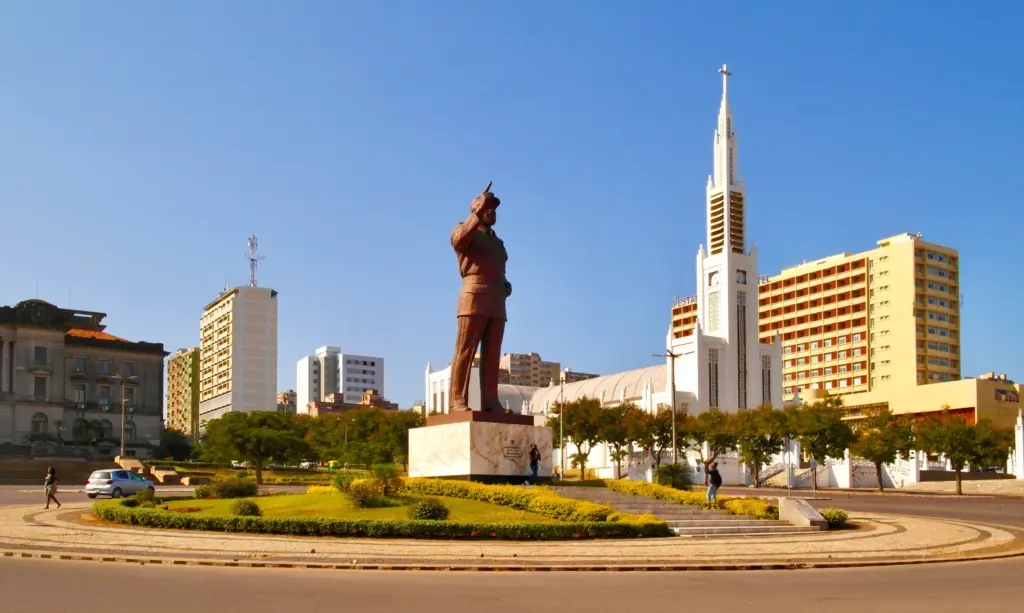
Maputo has architecture, seafood, music, nightlife, galleries, Lusophone identity, and a coastal city feel that differs sharply from East and West African capitals. Dar es Salaam has nightlife, food, music, markets, ferries, beaches, business travel, and the energy of a fast-growing port city. Luanda has money, music, restaurants, redevelopment, Ilha, Atlantic views, and a unique Lusophone-African urban identity. Kinshasa has Belgian-influenced dining, Lingala music, art, river life, fashion, chaos, and cultural force. These cities are still hard work for the average leisure traveller. Once they hook you, though, they’ll keep finding their way back onto your travel list.
The growth backdrop is massive. Africa welcomed roughly 81 million international tourists in 2025, up around 8 percent. At the same time, Africa’s urban population is projected to double from about 700 million to 1.4 billion by 2050. This is a demographic transformation at global scale.
As African cities grow, their consumer economies grow with them. Larger middle classes, new neighbourhoods, better roads, airports, malls, hotels, arenas, cafés, restaurants, clubs, galleries, cinemas, festivals, sports facilities, and cultural venues create cities that are more fun to live in and more interesting to visit. Local demand comes first. Tourism follows.
African tourism for the 21st century
The next great African tourism story will still include wildlife, beaches, heritage, islands, deserts, mountains, and national parks. Those assets remain powerful. But the city layer will become much harder to ignore. Travellers will come for Nairobi as much as the Mara, Lagos as much as the beach clubs, Accra as much as Cape Coast, Dakar as much as Gorée, Marrakech as much as the Atlas, Cape Town as much as the Winelands, and Stone Town as much as Zanzibar’s resorts.
Long-range city projections are always imperfect, but the direction is clear. By the end of this century, Lagos and Kinshasa are likely to be among the largest cities on earth. Already vibrant megacities, they will be closer to the centre of the heat by then: bigger, younger, louder, richer, denser, more connected, more creative, and more important to global culture and business.
Tourism will follow that energy. More African cities will join the map. The contemporary destinations will mature. The emerging ones will become easier to visit. New districts, venues, events, hotels, restaurants, galleries, and cultural industries will keep changing what the African city experience looks like.
For too long, African cities were treated as gateways.
Get used to seeing them as destinations.