

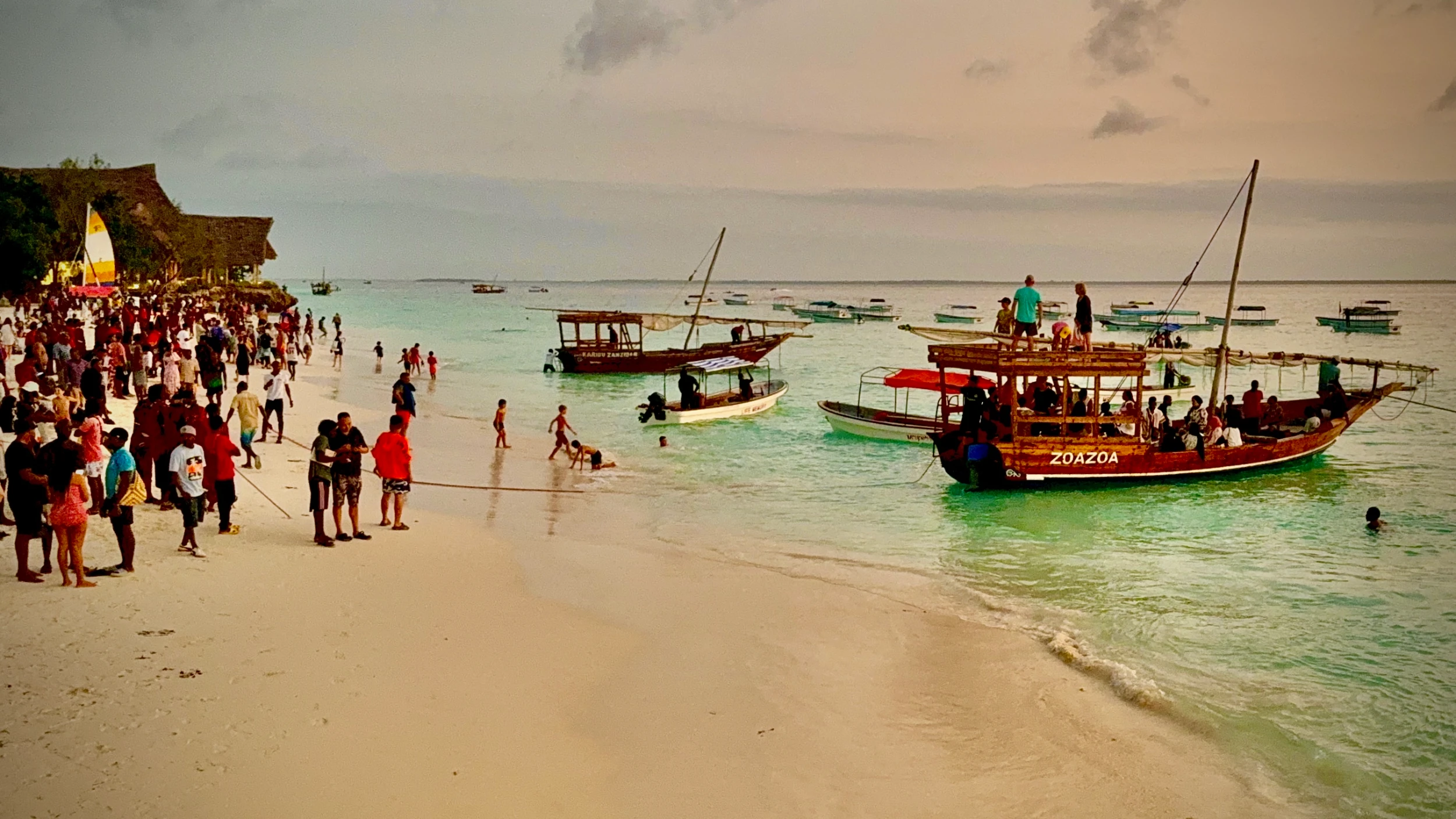
Africa is rising fast. But it is still under-visited.
Africa’s tourism story is moving in the right direction.
In 2025, international tourist arrivals reached a new global high of around 1.52 billion. Africa received 81.3 million arrivals, up 7.8% from 2024, making it the world’s fastest-growing tourism region. Sub-Saharan Africa alone received 45.6 million arrivals, up 5.5%.
That is impressive growth. It also confirms what many of us working in African tourism have seen for years: the continent is becoming more visible, more connected, and more attractive to international travellers.
Africa is now the world’s fastest-growing tourism region, yet it remains one of the most under-visited regions in the world relative to its population. The world received about 185 international arrivals per 1,000 residents in 2025. Africa received roughly 53 per 1,000 residents. Sub-Saharan Africa received only about 35 per 1,000 residents. In other words, Sub-Saharan Africa’s tourism intensity is still less than one-fifth of the global average, even after years of strong growth.
This is the paradox at the heart of African tourism today. The growth is real. The gap is still enormous.
Growing fast from a very low base
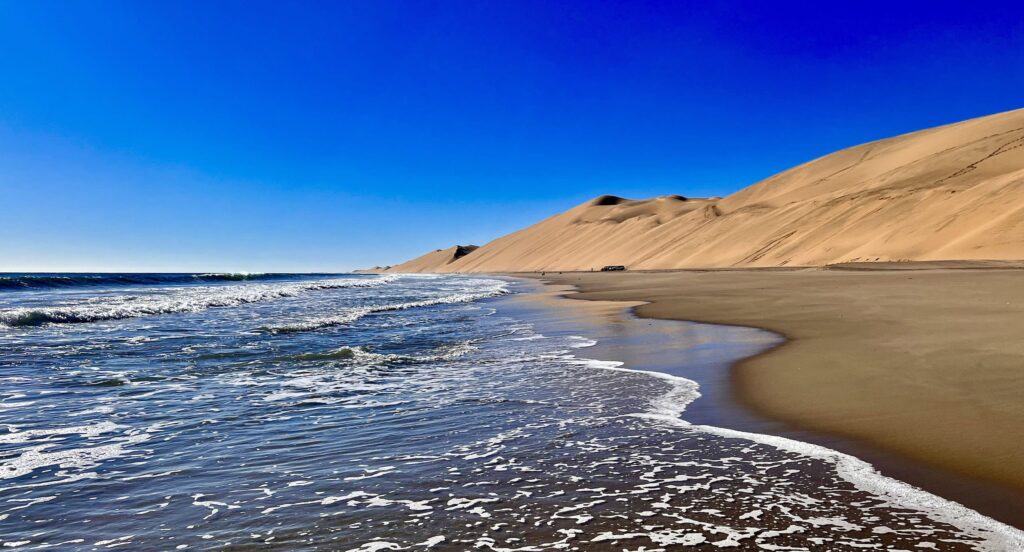
Since the turn of the century, Africa’s international arrivals have grown from 26.5 million in 2000 to 81.3 million in 2025. That is an increase of about 207%. Over the same period, global arrivals grew from 675 million to 1.52 billion, an increase of about 126%. Sub-Saharan Africa grew from 16.2 million arrivals in 2000 to 45.6 million in 2025, an increase of roughly 181%.
So Africa has not just recovered from the pandemic. It has grown faster than the global market over the long run.
This is not a completely new development. A World Bank report already pointed to a turning point after the global financial crisis: between 2009 and 2010, international arrivals to Africa jumped almost 8%, making the region the second-fastest-growing in the world after East Asia and the Pacific. The same report noted that Sub-Saharan Africa also grew by 8%, again placing it second globally after Asia Pacific.
Africa has therefore been in the upper tier of global tourism growth for well over a decade. What changed in 2025 is that the continent moved from being among the fastest-growing regions to being the fastest-growing region.
But fast growth from a low base can still leave a very large gap.
The earnings gap
The arrivals gap is only part of the picture. The earnings gap is even more striking.
UN Tourism estimates global international tourism receipts at around USD 1.9 trillion in 2025. Spread across the world’s population, that is roughly USD 230 per resident. Africa’s latest reported tourism receipts, in 2024, were around USD 42.6 billion, which is less than USD 30 per African resident. Africa does not only receive too few visitors relative to its size. It also captures too little tourism value relative to its population.
The main reasons may not come as a great surprise: limited air connectivity, weak destination marketing, underdeveloped tourism infrastructure, gaps in hotel supply, uneven service standards, and in some markets, real or perceived risk. In many places, the assets are there. The route to market is not.
Africa’s tourism is also highly concentrated
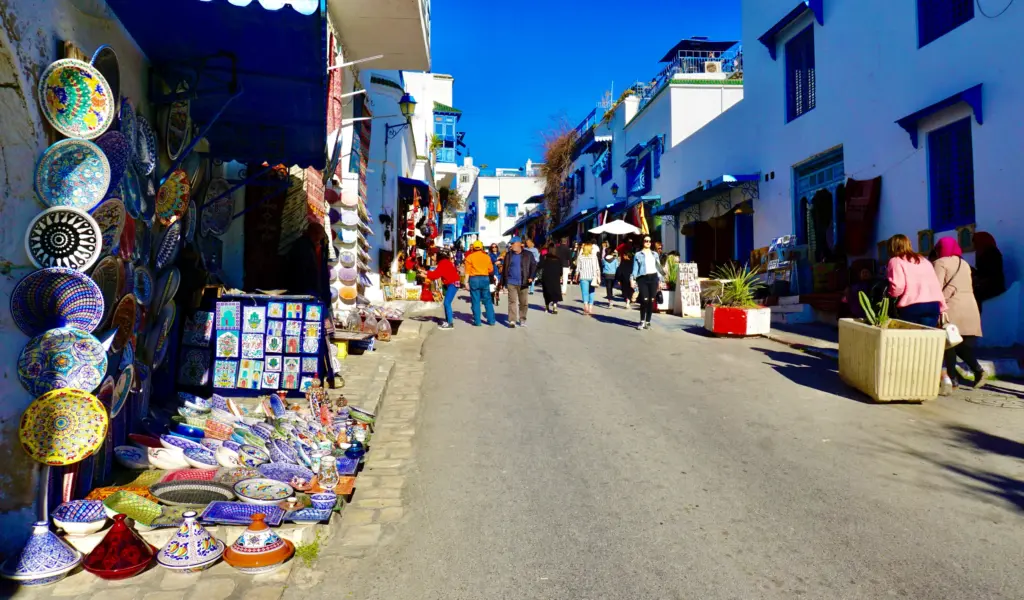
Africa’s average hides major regional disparities. The Big 4 (Morocco, Tunisia, Egypt, and South Africa) continue to attract the bulk of the continent’s visitors. Morocco received 19.8 million tourists in 2025. Egypt received nearly 19 million. Tunisia passed 11 million. South Africa welcomed about 10.5 million. Together, these four destinations received roughly 60 million international visitors in 2025.
On a per-capita basis, these markets look much closer to global tourism patterns. Combined, the “Big Four” receive roughly 260 international arrivals per 1,000 residents, which is above the current global average of about 185 per 1,000 residents.
The rest of the continent sits far below that level. Sub-Saharan Africa as a whole receives only about 35 arrivals per 1,000 residents, and many countries are far below even that.
Within Sub-Saharan Africa, the destinations are also vastly different. Kenya received 2.7 million international visitors in 2025, up about 9%. Tanzania received 2.29 million international arrivals in 2025, up 7.1%, with tourism earnings of around USD 4.4 billion.
Compare that with Chad, where the latest World Bank figure shows only 10,400 arrivals in 2020, or the Democratic Republic of Congo, where the latest World Bank figure shows 351,000 arrivals in 2016.
These are significant, structural gaps between some African countries that already attract international visitors at meaningful scale, while others remain barely present in global tourism flows.
Even Kenya has a long way to go
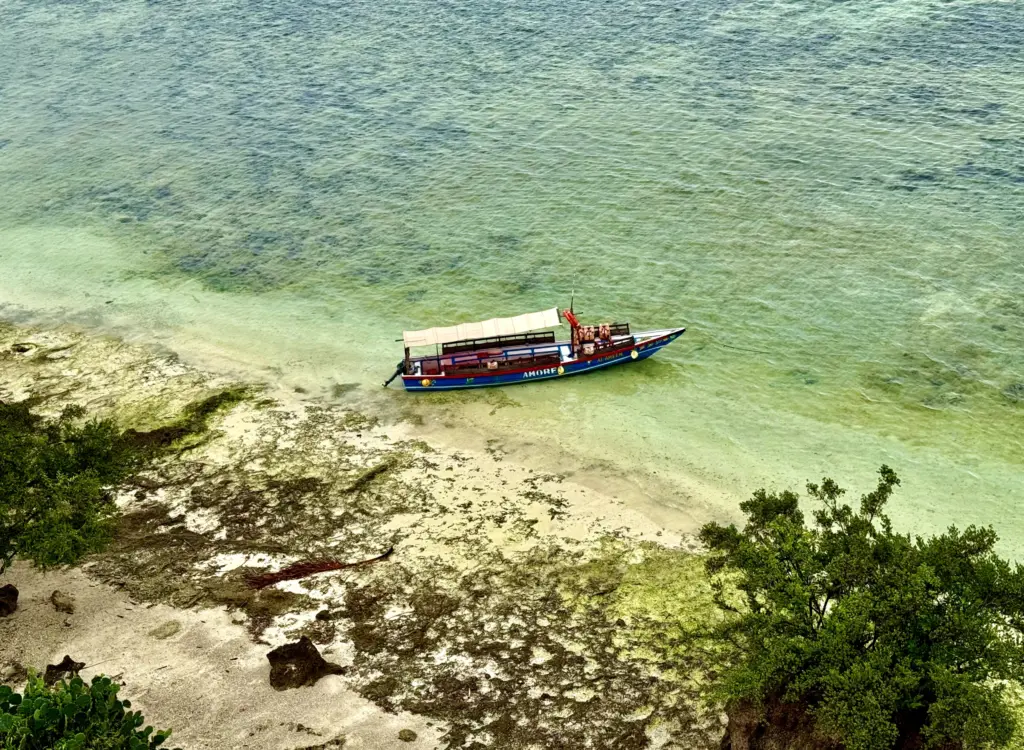
Kenya is one of Sub-Saharan Africa’s clearest tourism powerhouses. It has a globally recognised safari brand, a 536-kilometer outstanding coastline, a major regional aviation hub, a strong and rising hospitality sector, and growing urban, business, and meetings, incentives, conferences and exhibitions (MICE) demand.
Yet even Kenya would need roughly 15–20 years of sustained growth at today’s record-high levels just to reach current global averages for arrivals and tourism receipts per resident. For many other African destinations, the timeline would be considerably longer.
While the gap is obvious, it also shows the magnitude of the opportunity. Merely reaching the global average tourism spend per capita would increase Kenya’s annual tourism spending from approximately USD 9.5 billion—international and domestic combined—to USD 53.5 billion. That is an additional USD 44 billion, equivalent to 32% of Kenya’s current GDP of approximately USD 136 billion.
Tourism growth also drives investment in real estate, aviation, infrastructure and a wide range of ancillary industries, generating further economic growth and job creation. At this scale, Kenya could potentially create several million additional jobs. And Kenya is already among the African countries where the gap is smallest. Across most of the continent, the gap – and therefore the opportunity – is even greater.
The tourism gap that could transform Africa
Africa is not under-visited for lack of potential. In fact, the continent is becoming more visited by the year. It has never received as many international visitors as it does now. But it has grown from a very low base at the start of the century into a market that is only now becoming sizeable. In 2025, Africa welcomed a record 81 million international visitors, up 8%, the strongest growth of any region in the world.
Growth in Sub-Saharan Africa is increasingly broad-based. Kenya reached a record 2.7 million international arrivals in 2025, up 9% and more than twice the global growth rate. Zimbabwe grew by around 10% to 1.78 million arrivals. Newer risers are building serious momentum too. Zanzibar, politically part of Tanzania but, in tourism terms, a destination in its own right, grew by almost 25%. Ethiopia grew by 15%. Rwanda grew by 9%, with air arrivals up 23%. Sierra Leone is emerging onto the international tourism map. Some of these numbers almost defy the normal gravity of tourism economics.
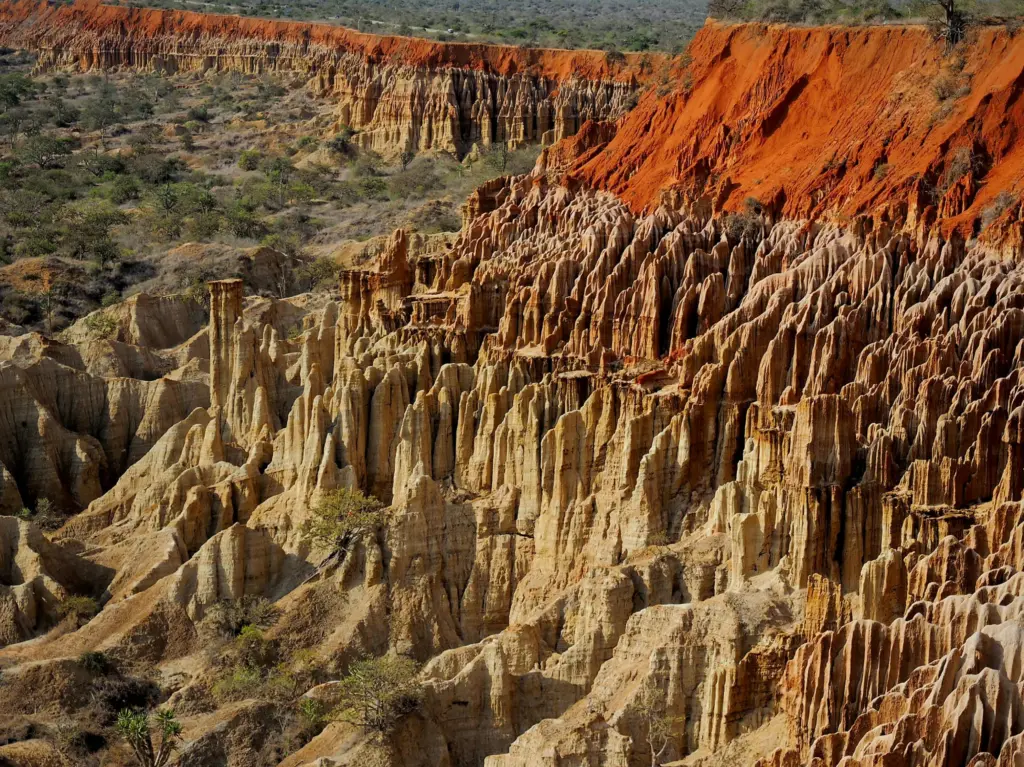
One of the most inspiring newcomers is Angola. The country welcomed 223,140 international visitors in 2025, up 28% and already above its pre-pandemic peak. It is still rising from a very low base, but the growth is backed by an aggressive tourism strategy, visa liberalisation, infrastructure investment and a deliberate promotional push. Angola’s offer is formidable: dramatic scenery spread across vast and sparsely populated spaces, vibrant cultural diversity, deep historical heritage, wildlife and splendid beaches. Much of it remains a hidden gem, but probably not for long. Angola has every opportunity to sustain this trajectory and attract massive investment.
Africa consists of 54 internationally recognised countries, each with its own circumstances and starting point. Closing the tourism gap will not look the same everywhere, but it is one of the continent’s rare economic hacks that requires fewer tough choices than almost any other growth strategy. Tourism turns assets that already exist into exports: culture, heritage, wildlife, landscapes and coastlines. In most markets, unlocking that value merely takes sound, investment-friendly policies that make it easier to travel, invest, build and operate.
For decades, many Sub-Saharan African destinations have carried a strange double image: different, wildly exotic and exciting, but also distant, difficult, unsafe or simply too complicated for the average traveller. Many first-time visitors therefore still arrive on curated packages, with pre-selected itineraries arranged by travel agents and tour operators. The perception stubbornly lingers that Africa is too complicated and risky for travellers to plan their own itineraries and experiences. The appeal has always been there. Perception, infrastructure, affordability and accessibility have been among the main barriers.
Different, exciting and accessible

A lot comes down to narrative. African destinations have rich and distinctive cultures, heritage, art, scenery and natural beauty. They should by no means become less different. On the contrary. Difference is part of the attraction. But the story has to shift from “different and difficult” to “different, exciting, safe and accessible.”
Narrative cannot fix everything. Some countries have deeper structural problems that must be addressed first. Somalia has mainland Africa’s longest coastline, some of the world’s most attractive beaches, waters made for sports fishing, and a rich cultural and historical heritage. Unfortunately, only the most adventurous travellers – e.g me – are likely to experience much of it until the security situation improves. Timbuktu is also high on my bucket list, but JNIM has turned kidnapping foreigners into a lucrative business. People who look like me apparently carry a market value running into millions of euros. So that one is postponed until further notice.
Infrastructure and sound policies play key roles too. Better airports, more competition in the air, more direct international connections and visa-free entry would make African destinations easier and cheaper to reach.
Investment policy is another part of the equation. More modern, professionally operated hotels and resorts, broader and more diversified experiences, better transport and stronger investable tourism projects enable markets to build richer visitor experiences—turning potential into real arrivals, spending and jobs.
None of it works without people. Some African countries already have professionally trained tourism workforces. In many others, this remains a critical gap. High-quality tourism education is essential to train the next generation of people who will deliver the unforgettable experiences that bring visitors back.
Africa will not reach the global average overnight. Nor should every destination become a mass-tourism destination. But moving closer to global tourism intensity would create millions of jobs, strengthen foreign-exchange earnings, support local enterprise and open opportunities for a young population that needs growth sectors with real scale. It would also drive massive investment in real estate, aviation, infrastructure, technology and tourism experiences.
The opportunity hiding in the gap
The gap shows not only what Africa lacks, but how much value lies within reach. Few growth opportunities offer comparable scale with so few painful choices. Moving even partially towards global tourism intensity would unlock massive investment across hospitality, real estate, aviation, infrastructure, technology, food production, culture and conservation, creating tens of millions of jobs and potentially supporting more than 100 million.
Across 54 very different countries, the route will vary, and not every destination should pursue mass tourism. But the foundation is straightforward: sound, investment-friendly policies, better access, safety and skills. This would make Africa’s extraordinary diversity easier to experience without making it less distinctive.
The economic and narrative shifts would reinforce each other. More visitors would drive spending, investment and jobs, while more people experiencing Africa for themselves would weaken old stereotypes. Africa is already the world’s fastest-growing tourism region. Closing the gap would not merely grow an industry. It could help transform a continent.